
Introduction
High-speed assembly lines require fast, accurate, and reliable automation systems to meet increasing production demands. Manufacturers in Malaysia, especially those in electronics, food processing, pharmaceutical, automotive, and consumer products industries, use delta robots to improve production speed and maintain consistent quality.
Delta robots combine high-speed movement, precise positioning, and flexible operation. These features allow manufacturers to handle repetitive picking, sorting, placing, and assembly tasks with better efficiency compared with traditional manual operations.
For Malaysian manufacturers looking to upgrade production lines, delta robots provide an effective solution for improving productivity while reducing operational challenges.
1. Delta Robots Increase Assembly Speed
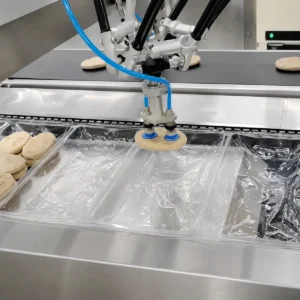
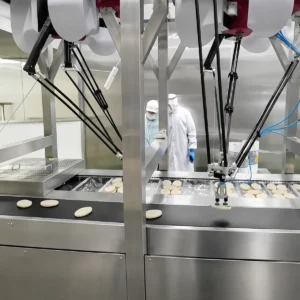
High-speed assembly lines need automation systems that can complete repetitive movements within short cycle times. Delta robots perform rapid pick-and-place operations because their lightweight parallel structure allows fast acceleration and smooth movement.
Manufacturers use delta robots for applications such as:
- Electronic component sorting
- Small parts assembly
- Food product handling
- Pharmaceutical packaging
- Precision material transfer
Unlike traditional robotic systems that require more complex movement paths, delta robots focus on fast and repeated operations. This capability helps Malaysian factories increase output without sacrificing accuracy.
2. Delta Robots Improve Positioning Accuracy
Assembly processes often require precise component placement, especially in industries that handle small and sensitive parts.
Delta robots maintain stable movement control through advanced servo systems and motion algorithms. Manufacturers can achieve accurate positioning for:
- Electronic connectors
- Plastic components
- Medical device parts
- Packaging products
- Precision hardware components
For Malaysia’s electronics and semiconductor-related industries, accurate placement helps reduce assembly errors and improves product consistency.
3. Delta Robots Reduce Manual Labor Requirements
Many production lines still rely on workers to perform repetitive tasks such as sorting, transferring, and placing components. These operations can increase labor costs and create inconsistent production results.
Delta robots handle repetitive processes automatically, allowing operators to focus on machine monitoring, quality inspection, and production management.
Malaysian manufacturers use automation solutions to optimize manpower allocation while maintaining stable production performance.
4. Delta Robots Support Flexible Production Lines
Modern factories need production equipment that can adapt to different products and changing market requirements.
Delta robots provide flexible automation because manufacturers can adjust robot programs according to different product sizes, shapes, and handling requirements.
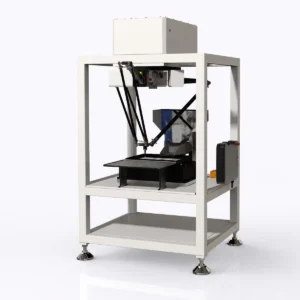
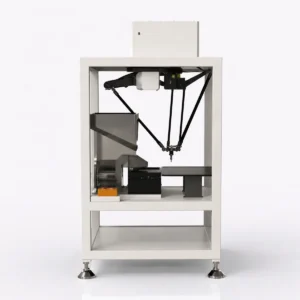
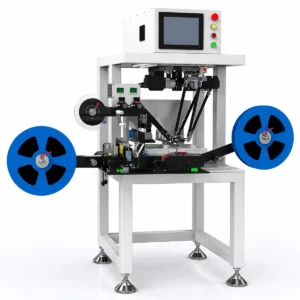
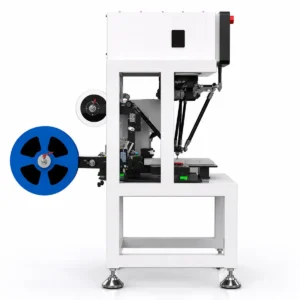
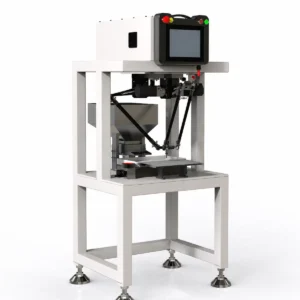
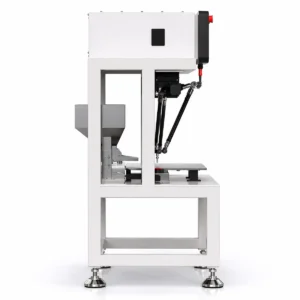
With customized feeding systems, vision inspection systems, and automation equipment, delta robots can integrate into complete production solutions.
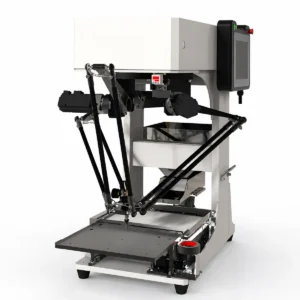
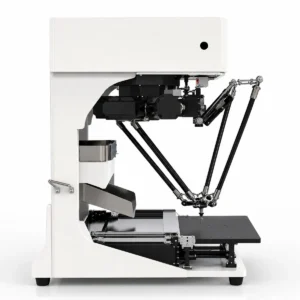
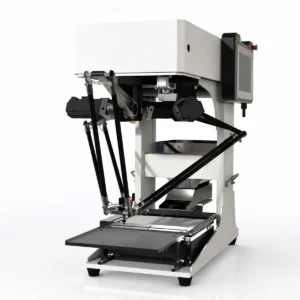
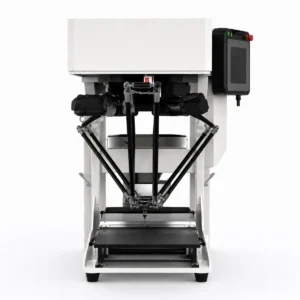
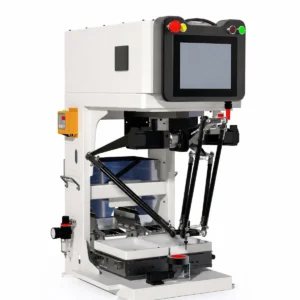
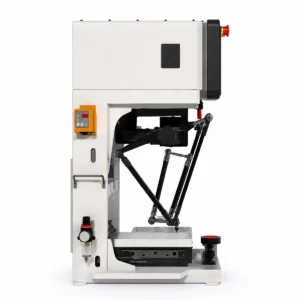
For example, SWOER Malaysia provides customized automation solutions combining delta robots with flexible feeding systems to support different industrial applications.
5. Delta Robots Work Well with Vision Systems
High-speed assembly lines often require accurate product identification before handling operations.
Delta robots work together with vision inspection systems to detect product positions, sizes, and orientations. The vision system sends information to the robot, allowing it to pick and place components accurately.
This combination helps manufacturers improve:
- Product sorting accuracy
- Assembly consistency
- Quality control efficiency
- Production reliability
Industries such as food packaging, electronics manufacturing, and pharmaceutical production benefit from this integrated automation approach.
6. Delta Robots Help Malaysian Manufacturers Improve Efficiency
Malaysia continues to develop advanced manufacturing sectors, including electronics, automation, medical devices, and precision engineering.
Manufacturers choose delta robots because these systems help factories:
- Increase production capacity
- Reduce repetitive manual operations
- Improve product quality
- Shorten production cycle times
- Support continuous manufacturing
With growing demand for smart factories in Malaysia, delta robots have become an important automation solution for companies seeking higher production efficiency.
7. Delta Robots Provide Customized Automation Solutions
Different industries have different production requirements. Standard robotic systems may not always match specific product handling needs.
Customized delta robot systems allow manufacturers to select suitable configurations, including:
- Robot working range
- Payload capacity
- Feeding system design
- Vision inspection integration
- Production line layout
SWOER Malaysia develops customized automation solutions based on customer requirements, helping manufacturers build efficient and reliable high-speed assembly lines.
Applications of Delta Robots in Malaysia
Delta robots support many industries, including:
Electronics Manufacturing
- Small component assembly
- Connector handling
- PCB-related applications
- Precision sorting
Food Industry
- Food sorting
- Packaging operations
- High-speed product handling
Pharmaceutical Industry
- Medical product handling
- Packaging automation
- Precision assembly
Automotive Industry
- Small parts assembly
- Component sorting
- Production line automation
Conclusion
Delta robots play an important role in high-speed assembly lines because they deliver fast movement, accurate positioning, and flexible automation performance.
For Malaysian manufacturers, delta robots provide practical solutions to improve production efficiency, reduce labor requirements, and support modern factory automation.
By combining delta robots with feeding systems, vision technology, and customized automation equipment, manufacturers can achieve more reliable and efficient production processes.
