
Introduction
Modern manufacturing requires faster production, higher accuracy, and stable operation. Assembly machines play an important role in improving productivity, but their performance depends heavily on how efficiently components enter the assembly process.
Vibratory bowl feeders help automation systems achieve continuous and accurate part feeding. By organizing, orienting, and delivering components automatically, these feeding systems reduce interruptions and improve the overall efficiency of assembly machines.
For manufacturers in industries such as electronics, automotive parts, medical devices, and precision hardware, a reliable vibratory bowl feeder can significantly improve production performance.
What Are Vibratory Bowl Feeders?
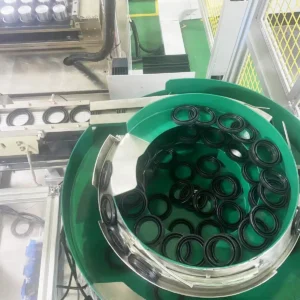
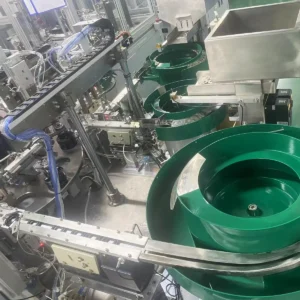
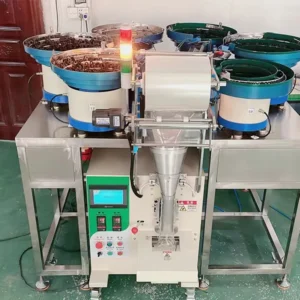
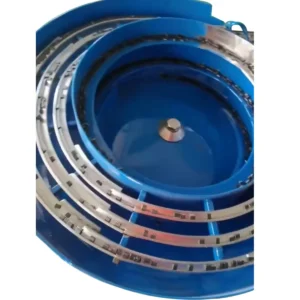
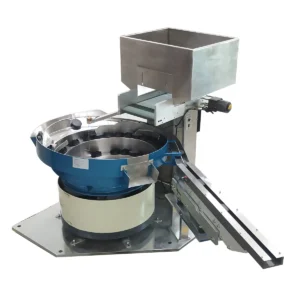
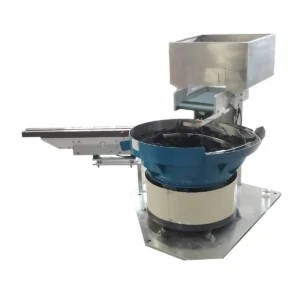
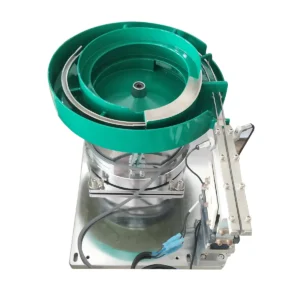
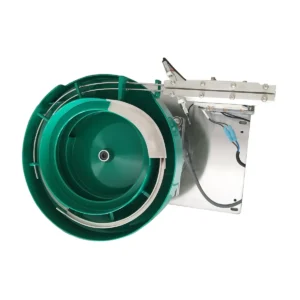
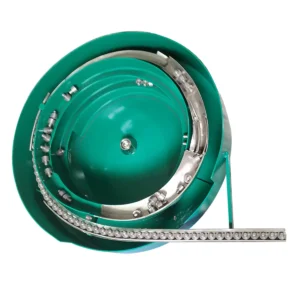
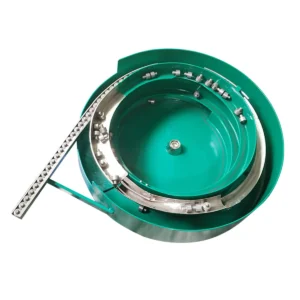
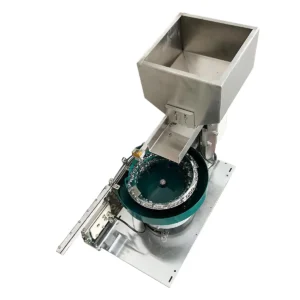
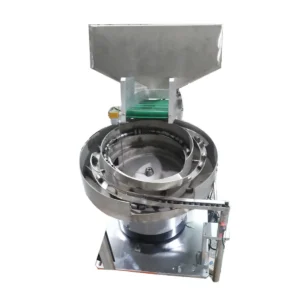
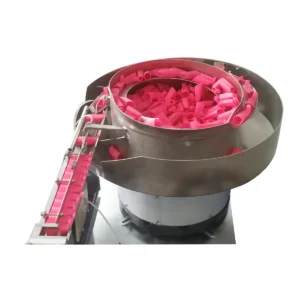
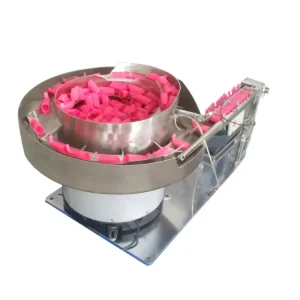
Vibratory bowl feeders are automatic feeding systems that use vibration to move and sort components before sending them into assembly machines.
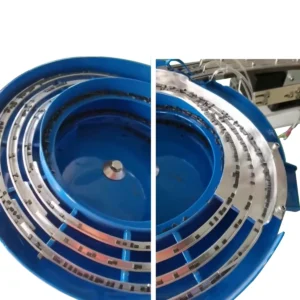
These systems consist of vibrating bowls, customized tooling tracks, drive units, and control systems. The vibration creates controlled movement that allows parts to travel along the bowl tracks while the feeders remove incorrectly positioned components.
Manufacturers use vibratory bowl feeders for various components, including screws, pins, plastic parts, metal parts, electronic components, and small precision products.
Unlike manual loading methods, automated feeding keeps parts moving continuously and provides a stable supply for assembly operations.
How Vibratory Bowl Feeders Improve Assembly Machine Efficiency
1. Reduce Manual Part Handling
Manual component loading slows down production and increases labor requirements. Workers need to repeatedly pick, check, and place parts into assembly equipment, which creates inconsistent feeding speed.
Vibratory bowl feeders automate this repetitive process by sorting and delivering components directly to the assembly station.
This allows operators to focus on machine monitoring, quality control, and production management instead of repetitive feeding tasks.
2. Increase Production Speed
Assembly machines need a consistent supply of components to maintain high output. Any delay in part feeding can reduce machine utilization and create production downtime.
Vibratory bowl feeders provide continuous feeding that matches the working speed of automated assembly equipment.
With stable component delivery, manufacturers can improve cycle time, increase production capacity, and maintain smoother operation.
3. Improve Part Orientation Accuracy
Many assembly processes require components to enter the machine in a specific direction. Incorrect orientation can cause assembly errors, machine stops, or product defects.
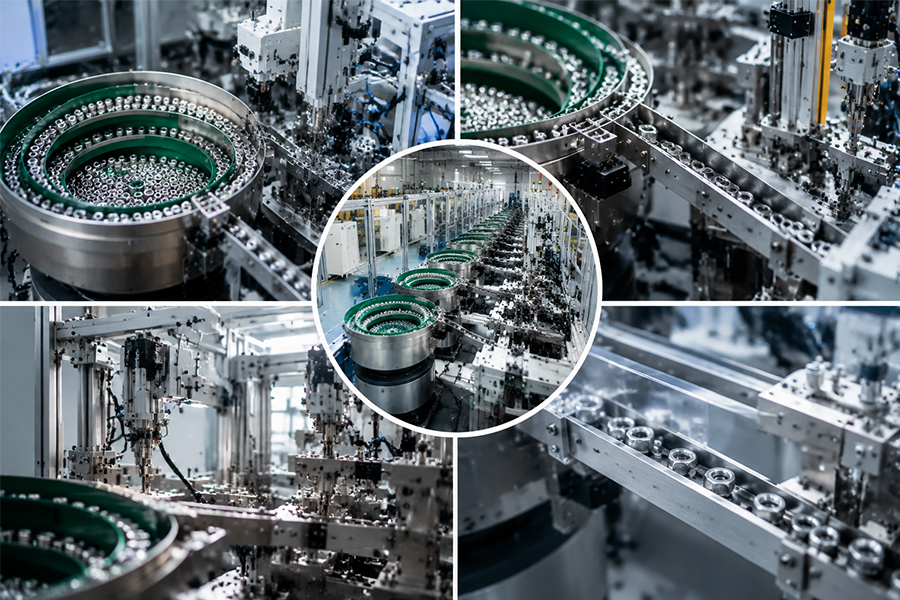
Customized vibratory bowl feeders use specially designed tracks and tooling to orient parts correctly before feeding them into the assembly machine.
This improves assembly accuracy and reduces problems caused by incorrect component positioning.
4. Minimize Production Downtime
Unstable material supply often causes unexpected machine stops. When operators manually refill or adjust parts frequently, production efficiency decreases.
Vibratory bowl feeders maintain a continuous supply of components and reduce interruptions during operation.
A well-designed feeding system helps assembly machines run longer with fewer adjustments, improving overall equipment efficiency.
5. Support Customized Automation Solutions
Different products require different feeding methods. Component size, shape, material, and assembly requirements all affect feeder design.
Manufacturers can customize vibratory bowl feeders according to specific production needs. Customized solutions include bowl design, feeding track structure, sensors, and integration with existing assembly machines.
This flexibility makes vibratory bowl feeders suitable for complex automation applications across multiple industries.
Applications of Vibratory Bowl Feeders in Assembly Automation
Vibratory bowl feeders support many automated manufacturing processes, including:
Electronics Assembly
- Small connectors
- Terminals
- Screws
- Precision components
Automotive Parts Assembly
- Metal pins
- Fasteners
- Plastic components
- Small mechanical parts
Medical Device Manufacturing
- Disposable medical components
- Precision plastic parts
- Small metal fittings
Hardware Production
- Screws
- Nuts
- Springs
- Custom metal parts
Each application requires a properly designed feeding system to achieve stable and efficient production.
Vibratory Bowl Feeder vs Manual Feeding
| Feature | Vibratory Bowl Feeder |
| Feeding Speed | Continuous and stable |
| Labor Requirement | Low |
| Accuracy | High consistency |
| Production Efficiency | Higher |
| Integration | Works with automation systems |
Automation with vibratory bowl feeders helps manufacturers achieve better productivity while reducing repetitive labor.
How to Choose the Right Vibratory Bowl Feeder for Assembly Machines
Selecting the correct feeder requires consideration of several factors:
Part Characteristics
Size, shape, weight, and material affect feeder design and performance.
Production Speed
The feeder must match the cycle time of the assembly machine.
Feeding Accuracy
Precision applications require reliable orientation and positioning.
Machine Integration
The feeder should connect smoothly with existing automation equipment.
Working with an experienced automation manufacturer helps companies develop a feeding solution that matches their production requirements.
Conclusion
Vibratory bowl feeders improve assembly machine efficiency by providing accurate, continuous, and automated component feeding. They reduce manual handling, increase production speed, minimize downtime, and support reliable assembly operations.
For manufacturers looking to upgrade production lines, customized vibratory bowl feeder solutions can create a more efficient and flexible automation system.
SWOER Malaysia provides customized feeding systems and automation solutions designed according to different component requirements and production processes.
FAQs
A vibratory bowl feeder sorts, orients, and supplies components automatically to an assembly machine, ensuring continuous production.
Yes. Customized vibratory bowl feeders can handle small and complex components used in electronics, medical devices, and precision manufacturing.
Yes. Manufacturers can design vibratory bowl feeders according to specific parts, production speeds, and assembly requirements.
They reduce manual feeding, maintain stable material supply, improve accuracy, and help assembly machines achieve higher output.
