
Introduction
Modern manufacturing industries require faster production speeds, higher accuracy, and consistent product quality. Traditional manual assembly processes are often limited by labor costs, production efficiency, and human errors.
To overcome these challenges, manufacturers use different types of assembly machines to automate tasks such as feeding, positioning, inserting, fastening, testing, and inspection.
Assembly machines are widely used in industries including electronics, automotive, medical devices, consumer products, and precision components. Choosing the right assembly machine depends on product structure, production requirements, and automation goals.
This article introduces the common types of assembly machines used in manufacturing and explains how they improve production efficiency.
1. Automatic Assembly Machines
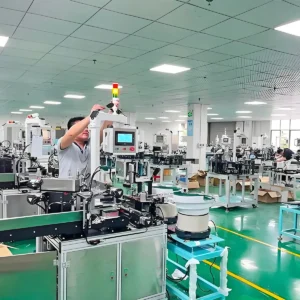
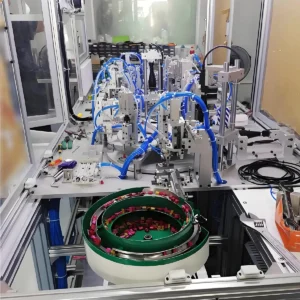
Automatic assembly machines are designed to complete multiple assembly processes without continuous manual operation.
These machines can integrate:
- Automatic feeding systems
- Component positioning units
- Assembly mechanisms
- Inspection systems
- Control systems
Automatic assembly machines are suitable for high-volume production where manufacturers need stable output, consistent quality, and reduced labor dependency.
- Common applications include:
- Electronic component assembly
- Automotive parts assembly
- Medical device manufacturing
- Hardware product assembly
Customized automatic assembly machines can be developed according to specific product designs and production requirements.
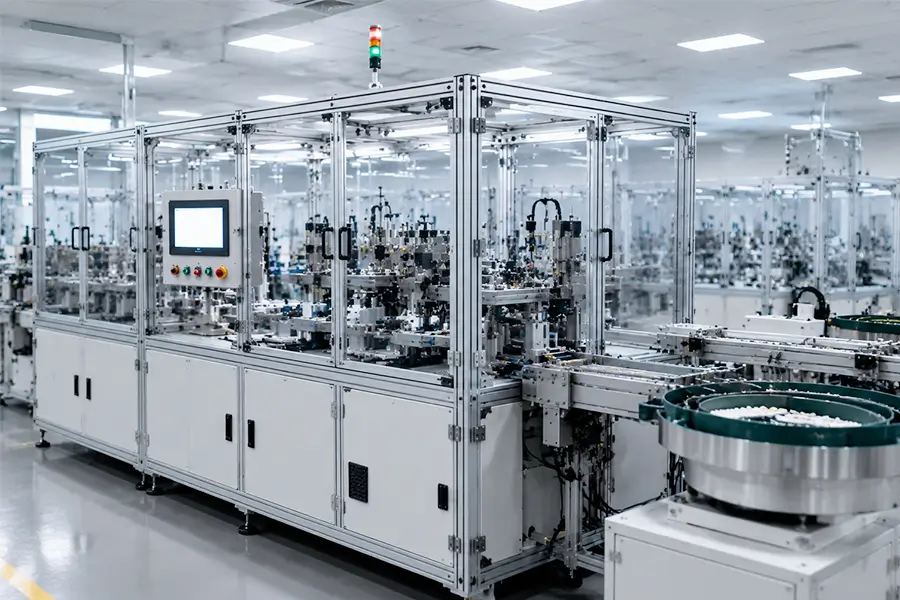
2. Rotary Assembly Machines
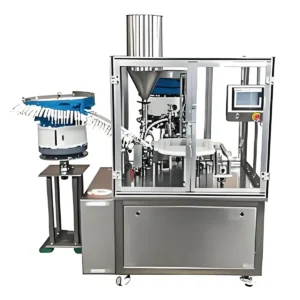
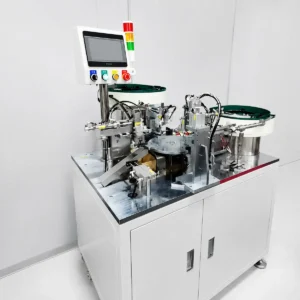
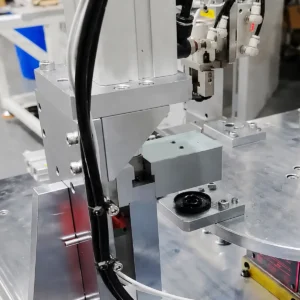
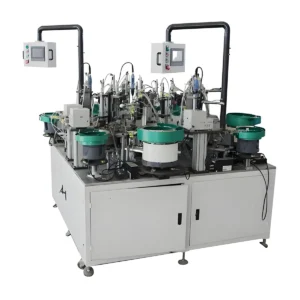
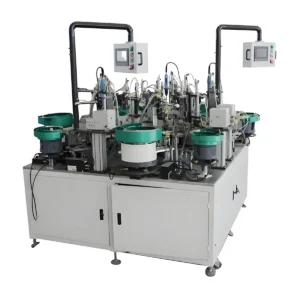
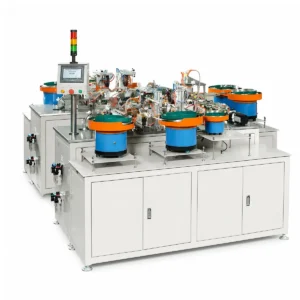
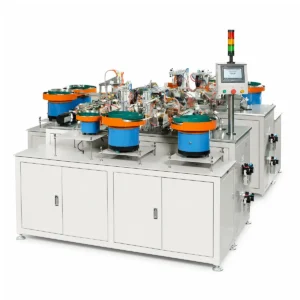
Rotary assembly machines use a rotating indexing table to move products between different assembly stations.
During the production cycle, each station performs a specific operation, such as:
- Part loading
- Component insertion
- Screw fastening
- Testing
- Final inspection
Advantages of rotary assembly machines include:
- High production efficiency
- Compact machine design
- Multiple processes in one system
- Stable cycle time
They are commonly used for products requiring repeated assembly operations and high output rates.
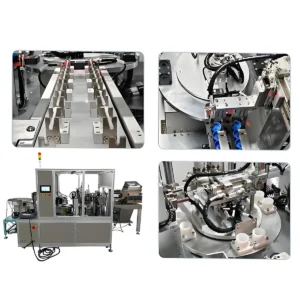
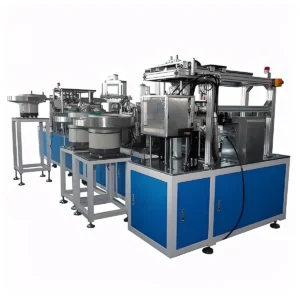
3. Linear Assembly Machines
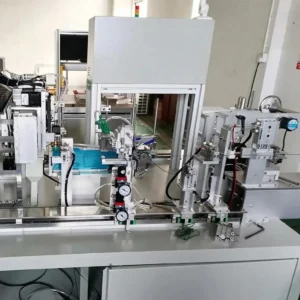
Linear assembly machines transport products along a straight production line while different processes are completed at each workstation.
These systems are suitable for:
- Large products
- Complex assembly processes
- Flexible production layouts
Compared with rotary systems, linear assembly machines provide easier expansion and customization.
Manufacturers can add additional stations for:
- Vision inspection
- Testing
- Marking
- Packaging
4. Robotic Assembly Machines
Robotic assembly machines use industrial robots to perform precise assembly tasks.
Robotic systems provide advantages such as:
- High positioning accuracy
- Flexible production capability
- Reduced manual handling
- Easy adaptation to different products
Common robotic assembly applications include:
- Pick and place operations
- Component insertion
- Adhesive dispensing
- Precision assembly
For complex manufacturing requirements, robotic systems can be combined with flexible feeding systems and vision inspection technology to create intelligent automation solutions.
5. Flexible Assembly Machines
Flexible assembly machines are designed for manufacturers who produce different product models or require frequent production changes.
These systems often include:
- Flexible feeders
- Vision systems
- Servo-controlled mechanisms
- Programmable automation controls
Flexible automation allows companies to handle different components without completely redesigning the production line.
They are widely used in industries with small parts, customized products, and changing market demands.
6. Medical Device Assembly Machines
Medical device manufacturing requires extremely high precision, cleanliness, and reliability.
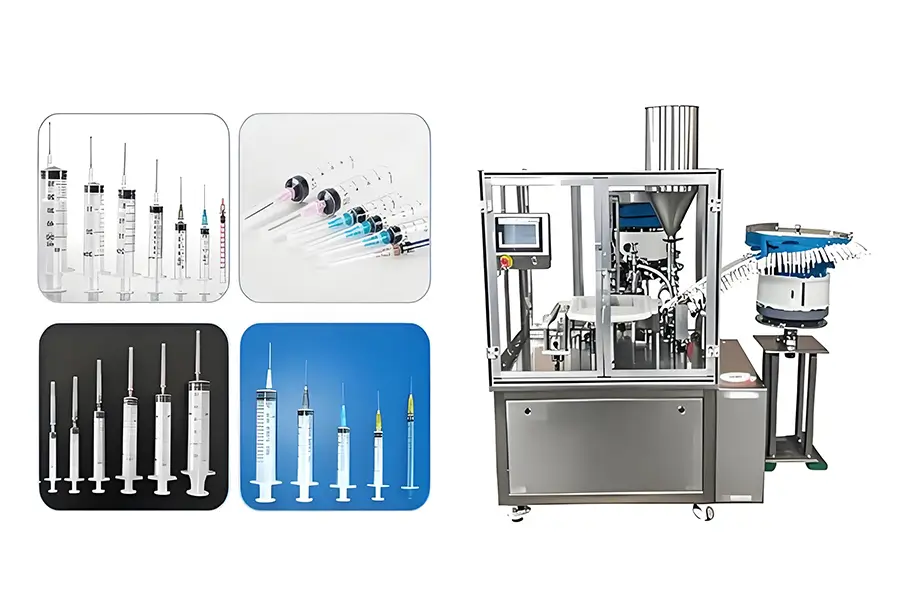
Medical device assembly machines are specially designed for products such as:
- Syringes
- IV cannulas
- Medical connectors
- Disposable healthcare components
These machines typically include:
- Precision feeding systems
- Automated assembly stations
- Quality inspection systems
- Traceability functions
Customized medical assembly solutions help manufacturers meet strict production standards while improving efficiency.
7. Custom Assembly Machines
Different products have different structures, materials, and assembly requirements. Standard machines may not always meet specific manufacturing needs.
Custom assembly machines are engineered according to:
- Product dimensions
- Assembly processes
- Production capacity
- Quality requirements
- Factory layout
A customized automation solution can combine feeding, assembly, inspection, and packaging processes into one integrated system.
This approach helps manufacturers achieve higher efficiency and better production control.
How to Choose the Right Assembly Machine?
Selecting the correct assembly machine requires evaluating several factors:
1. Product Design
Small precision parts may require flexible feeders, vision systems, or robotic assembly solutions.
2. Production Volume
High-volume manufacturing usually benefits from fully automatic assembly systems, while low-volume production may require flexible automation.
3. Assembly Complexity
Products with multiple components and complex structures often require customized machines with multiple working stations.
4. Quality Requirements
Industries such as medical, electronics, and automotive require reliable inspection and precision control.
Conclusion
Different types of assembly machines provide manufacturers with solutions for improving productivity, reducing labor costs, and maintaining consistent quality.
From automatic assembly machines and rotary systems to robotic and customized automation solutions, each machine type serves different production requirements.
For manufacturers looking to upgrade their production lines, selecting a customized assembly machine based on product characteristics and manufacturing goals is the key to achieving efficient and reliable automation.
FAQs
The most common types include automatic assembly machines, rotary assembly machines, linear assembly machines, robotic assembly systems, and customized assembly machines.
Yes. Assembly machines can be designed with precision feeding systems, vision inspection, and robotic technology to handle small and complex components.
Yes. Custom assembly machines are designed according to product requirements, production processes, and automation goals.
Assembly machines are widely used in electronics, automotive, medical devices, hardware, consumer products, and precision manufacturing industries.
