
Introduction
In modern manufacturing, efficient and reliable parts feeding plays an important role in improving production speed and reducing manual handling. A step feeder is an advanced automation feeding system designed to separate, orient, and deliver components accurately to assembly machines or robotic systems.
Unlike traditional vibratory bowl feeders, step feeders use a lifting and dropping mechanism to move parts gradually upward through multiple steps. This working principle makes them suitable for handling sensitive, heavy, or irregularly shaped components in automated production lines.
SWOER Malaysia provides custom step feeder solutions designed according to different part sizes, shapes, materials, and automation requirements to support industries such as electronics, automotive, medical devices, and precision manufacturing.
What Are Step Feeders?
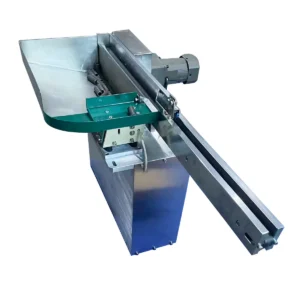
Step feeders are automatic parts feeding systems that use a series of moving plates or steps to transport components from a storage hopper to a feeding track.
These feeding systems collect parts from the bottom of the hopper and move them upward step by step. During the feeding process, incorrectly positioned parts are returned to the hopper, while properly oriented components continue toward the assembly station.
Step feeders are widely used in automation applications where manufacturers require:
- Stable and continuous parts supply
- Low-noise operation
- Gentle handling of delicate components
- High feeding accuracy
- Easy integration with automatic assembly machines
How Does a Step Feeder Work?
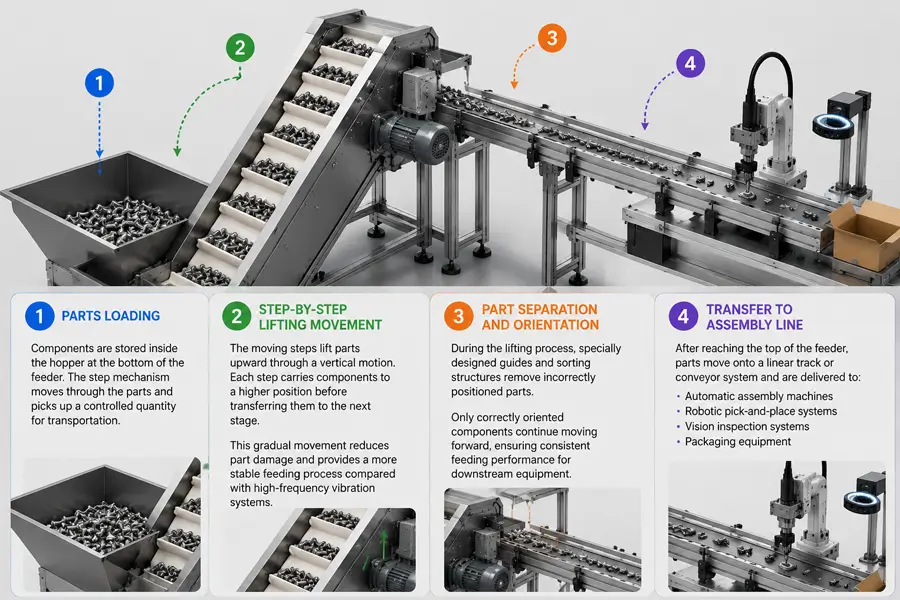
The working process of a step feeder can be divided into several stages:
1. Parts Loading
Components are stored inside the hopper at the bottom of the feeder. The step mechanism moves through the parts and picks up a controlled quantity for transportation.
2. Step-by-Step Lifting Movement
The moving steps lift parts upward through a vertical motion. Each step carries components to a higher position before transferring them to the next stage.
This gradual movement reduces part damage and provides a more stable feeding process compared with high-frequency vibration systems.
3. Part Separation and Orientation
During the lifting process, specially designed guides and sorting structures remove incorrectly positioned parts.
Only correctly oriented components continue moving forward, ensuring consistent feeding performance for downstream equipment.
4. Transfer to Assembly Line
After reaching the top of the feeder, parts move onto a linear track or conveyor system and are delivered to:
- Automatic assembly machines
- Robotic pick-and-place systems
- Vision inspection systems
- Packaging equipment
Step Feeder vs Vibratory Bowl Feeder
Both step feeders and vibratory bowl feeders are widely used in automation systems, but they have different advantages.
| Feature | Step Feeder | Vibratory Bowl Feeder |
| Feeding Method | Step lifting movement | Vibration movement |
| Noise Level | Low noise | Higher noise |
| Part Protection | Gentle handling | More friction and impact |
| Suitable Parts | Heavy, delicate, irregular parts | Small standard components |
| Maintenance | Lower wear | Requires regular tuning |
| Application | Precision automation | General assembly feeding |
Step feeders are often selected when manufacturers need stable feeding performance for sensitive or difficult-to-handle parts.
Advantages of Step Feeders in Automation Systems
1. Gentle Handling of Components
The step lifting mechanism minimizes collisions between parts, making it suitable for fragile components and precision products.
2. Stable Feeding Performance
Step feeders provide consistent part supply, helping automatic machines maintain continuous production without frequent interruptions.
3. Low Noise Operation
Compared with vibration-based feeding systems, step feeders operate with significantly lower noise, improving the factory working environment.
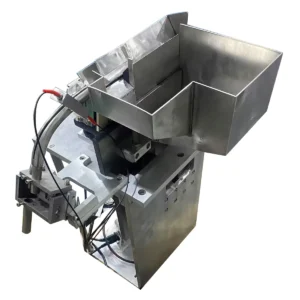
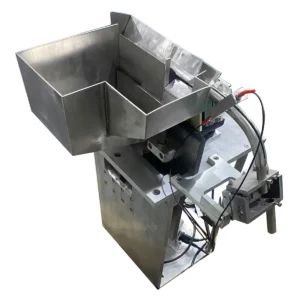
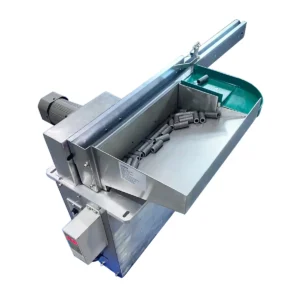
4. Flexible Customization
Every step feeder can be customized according to:
- Part dimensions
- Component weight
- Feeding speed requirements
- Production line layout
- Automation equipment interface
Applications of Step Feeders
Step feeders are widely used in various industries, including:
Electronics Manufacturing
- Connectors
- Screws
- Metal terminals
- Precision components
Automotive Industry
- Small metal parts
- Fasteners
- Clips
- Engine components
Medical Device Production
- Plastic medical components
- Needle parts
- Disposable device components
Industrial Assembly
- Customized mechanical parts
- Precision hardware
- Small assemblies
How to Choose the Right Step Feeder?
When selecting a step feeder for an automation system, manufacturers should consider:
Part Characteristics
Analyze the size, shape, weight, and material of the components.
Feeding Speed Requirement
The feeder capacity should match the production cycle time of the assembly machine.
Automation Integration
Ensure compatibility with robots, vision systems, and assembly equipment.
Custom Engineering Capability
A customized feeder design is often required for unique parts and special production requirements.
Why Choose SWOER Malaysia Step Feeder Solutions?
SWOER Malaysia specializes in custom automation feeding systems for manufacturers requiring reliable and efficient production solutions.
Our step feeders are engineered based on customer-specific components and production requirements, providing:
- Customized feeding solutions
- Stable automatic parts supply
- Integration with assembly machines
- Improved production efficiency
- Reduced manual labor dependency
Whether for electronics, automotive, medical devices, or precision manufacturing, SWOER Malaysia delivers automation solutions designed for modern industrial needs.
Conclusion
Step feeders play an important role in automated manufacturing systems by providing accurate, stable, and gentle parts feeding solutions for various production applications.
Using step-by-step lifting technology, these feeding systems help manufacturers improve production efficiency, reduce downtime, and achieve reliable automation performance. Customized step feeder solutions can provide significant long-term value for companies looking to upgrade their production lines and enhance manufacturing capabilities.
FAQs
A step feeder automatically separates, lifts, and delivers parts to assembly machines or robotic systems with stable feeding performance.
Step feeders can handle various components, including metal parts, plastic components, connectors, fasteners, and precision industrial parts.
A step feeder uses lifting steps to move parts upward, while a bowl feeder uses vibration to orient and transport components.
Yes. Step feeders are normally customized according to part size, shape, weight, feeding speed, and production requirements.
Step feeders are commonly used in electronics, automotive, medical device, industrial assembly, and precision manufacturing industries.
