
Introduction
Selecting the right parts feeding system plays an important role in improving automation efficiency and production stability. Industrial manufacturers rely on reliable feeding solutions to deliver components accurately to assembly machines, robots and inspection systems.
Step Feeder Systems and Vibratory Bowl Feeders are two widely used solutions in automated manufacturing. Both technologies improve feeding efficiency, but they work differently and suit different production requirements.
Component characteristics, feeding speed, noise requirements and automation goals determine which feeding solution delivers better performance.
This article compares Step Feeders and Vibratory Bowl Feeders to help manufacturers choose the right automatic feeding system for their production lines.
What Is a Step Feeder System?
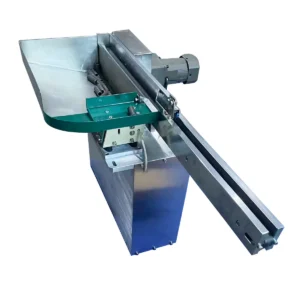
Step Feeder Systems use a step-by-step lifting mechanism to move components from the storage area to the feeding track. The controlled movement separates and transfers parts smoothly before sending them into assembly or inspection processes.
Compared with vibration-based feeding solutions, step feeders provide gentler handling and lower operating noise. These advantages make them suitable for precision components that require stable and careful transportation.
SWOER Malaysia develops customized Step Feeder Systems for electronics, automotive, medical device and industrial automation applications.
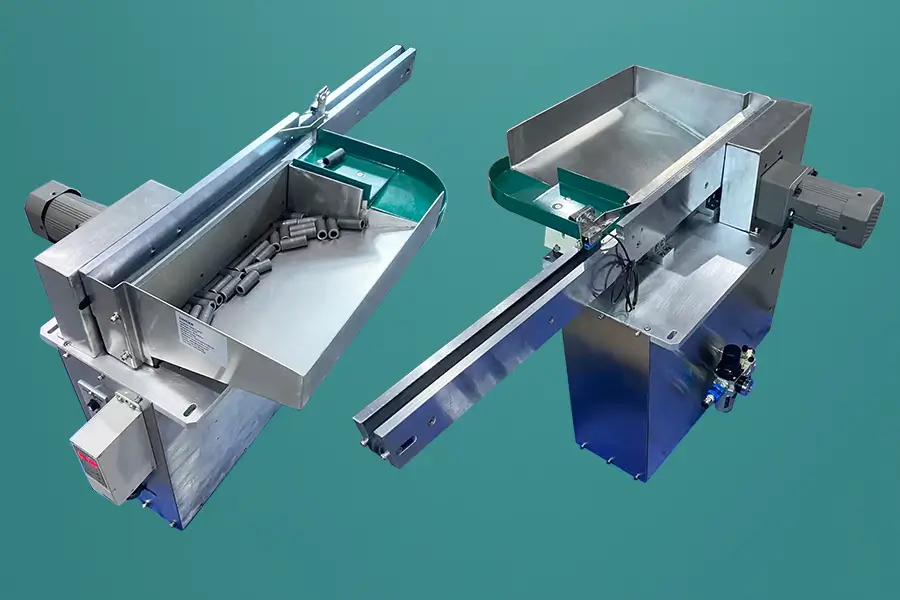
Advantages of Step Feeders
Low Noise Operation
Step feeders move components through lifting actions instead of continuous vibration. This operating method helps reduce workplace noise and creates a more comfortable production environment.
Low-noise feeding solutions are especially suitable for factories focusing on precision manufacturing and clean production areas.
Gentle Component Handling
Sensitive components may experience scratches, deformation or surface damage during aggressive vibration processes.
Step feeders provide smooth part movement, making them suitable for:
- Precision electronic components
- Plastic parts
- Medical device components
- Small metal components
Stable Feeding Performance
Step feeders maintain consistent part transfer and reduce problems such as component overlap or unstable orientation.
Manufacturers can integrate step feeders with:
- Automatic assembly machines
- Robotic systems
- Vision inspection systems
to create complete automation solutions.
What Is a Vibratory Bowl Feeder?
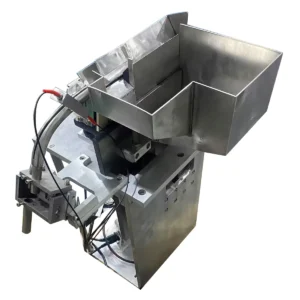
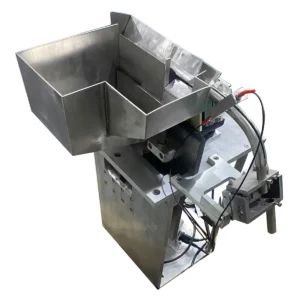
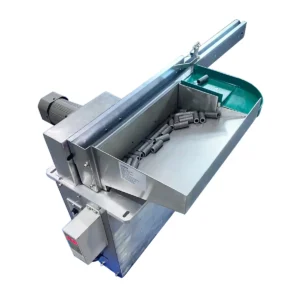
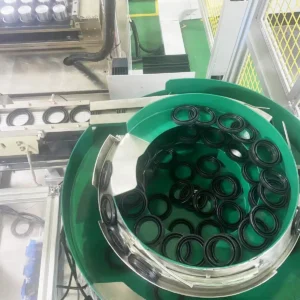
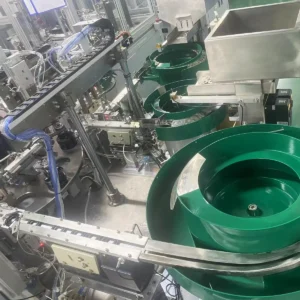
Vibratory Bowl Feeders use controlled vibration to move, separate and orient components along a customized bowl track before transferring them into production equipment.
Widely used in industrial automation, vibratory bowl feeders provide high-speed feeding performance for various component types.
Common applications include:
- Automotive components
- Electronic parts
- Hardware products
- Medical device components
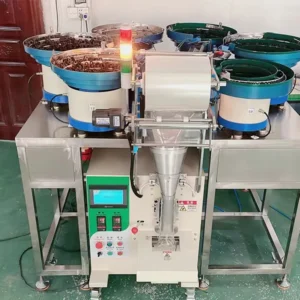
SWOER Malaysia designs customized Vibratory Bowl Feeders according to different part sizes, shapes and production requirements.
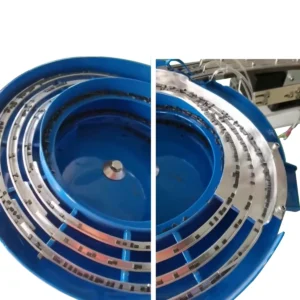
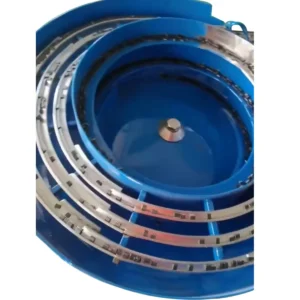
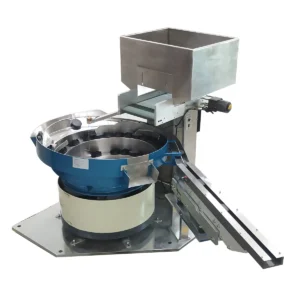
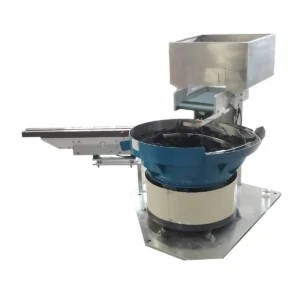
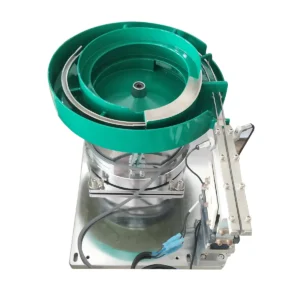
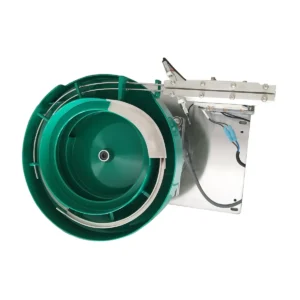
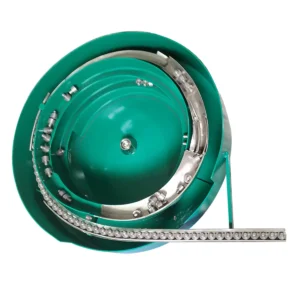
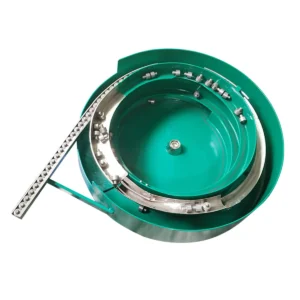
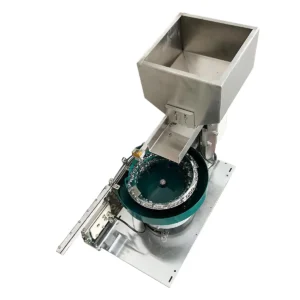
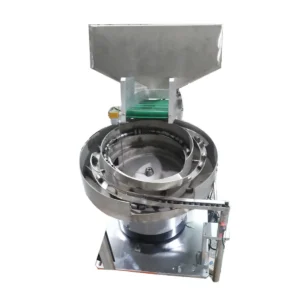
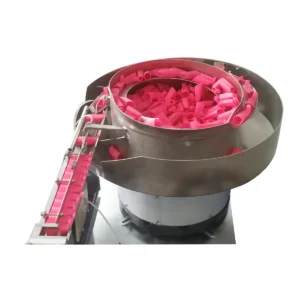
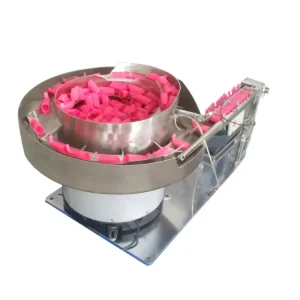
Step Feeder vs Vibratory Bowl Feeder Comparison
| Feature | Step Feeder | Vibratory Bowl Feeder |
| Feeding Method | Step lifting movement | Controlled vibration movement |
| Noise Level | Low noise operation | Higher vibration noise |
| Part Handling | Gentle handling for sensitive components | Suitable for general components |
| Feeding Speed | Medium to high speed | High-speed feeding |
| Component Protection | Lower risk of surface damage | Depends on material characteristics |
| Maintenance | Simple maintenance | Requires track adjustment |
| Best Application | Precision and sensitive parts | High-volume production |
| Integration | Assembly machines and robots | Assembly automation lines |
Which Feeding System Works Better for Automation?
Choosing between step feeders and vibratory bowl feeders depends on production requirements, component characteristics and automation objectives.
Step Feeders Work Well When:
Step feeders provide advantages for applications that require:
- Low-noise operation
- Gentle component handling
- Stable feeding accuracy
- Precision part transportation
- Protection of sensitive components
Industries such as electronics manufacturing, semiconductor production and medical device assembly often benefit from step feeding technology.
Vibratory Bowl Feeders Work Well When:
Vibratory bowl feeders are suitable for production environments that require:
- High-speed feeding
- Large production volumes
- Flexible part orientation
- Cost-effective automation
Manufacturers commonly use vibratory bowl feeders for automotive parts, hardware components and general assembly applications.
Applications of Step Feeders and Vibratory Bowl Feeders
Electronics Manufacturing
Automation systems use feeding solutions for:
- Connectors
- Terminals
- Small electronic components
- Precision parts
Automotive Manufacturing
Feeding systems support production processes involving:
- Fasteners
- Plastic components
- Metal parts
- Mechanical components
Medical Device Production
Precision feeding solutions help handle:
- Needles
- Medical plastic components
- Disposable medical products
Automated Assembly Lines
Step feeders and vibratory bowl feeders can connect with:
- Assembly machines
- Industrial robots
- Vision inspection systems
to improve production efficiency.
How to Select the Right Parts Feeding System?
Manufacturers should evaluate several factors before choosing an automatic feeding solution.
Component Characteristics
Important considerations include:
- Component size
- Shape complexity
- Material properties
- Surface sensitivity
Production Requirements
Production planning should consider:
- Required feeding speed
- Production volume
- Automation level
- Equipment integration
Future Automation Expansion
Flexible feeding solutions should support future upgrades, including robotic automation, vision inspection and smart manufacturing systems.
SWOER Malaysia Provides Customized Feeding Solutions
SWOER Malaysia delivers complete industrial automation solutions, including:
Step Feeder Systems
- Vibratory Bowl Feeders
- Flexible Feeders
- Centrifugal Feeders
- Vision Inspection Systems
- Automatic Assembly Machines
Customized feeding systems help manufacturers improve production efficiency, feeding accuracy and automation reliability.
SWOER Malaysia works with customers to develop suitable feeding solutions based on component requirements, production speed and automation objectives.
Conclusion
Step feeders and vibratory bowl feeders both provide reliable solutions for automated parts feeding.
Step feeder systems suit applications requiring gentle handling, low noise and precision feeding performance. Vibratory bowl feeders remain an effective choice for high-speed production and general automation applications.
Selecting the right automatic feeding system helps manufacturers improve production stability, reduce manual labor and achieve higher automation efficiency.
Request a Feeding SolutionFAQ
Step feeders use lifting movement to transfer components, while vibratory bowl feeders use controlled vibration to orient and move parts.
Step feeders use step-by-step movement instead of continuous vibration, which helps reduce operating noise.
Step feeders are often preferred for delicate components because they provide smoother and more controlled feeding.
Yes. Step feeders can connect with automatic assembly machines, robotic systems and inspection equipment.
Manufacturers should evaluate component characteristics, production speed, automation requirements and future expansion plans.
