
Introduction
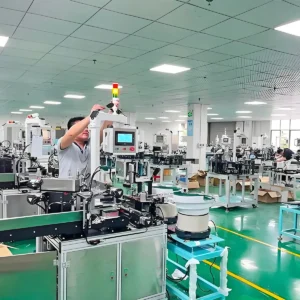
Modern manufacturing relies on assembly lines to produce products faster, more accurately, and with consistent quality. In Malaysia, many industries such as electronics, automotive, food processing, medical devices, and consumer products use automated assembly line machines to improve production efficiency and reduce manual labour.
Assembly line machines are designed to handle different production tasks, including feeding parts, assembling components, inspection, testing, packaging, and material handling. By combining different machines into one system, manufacturers can achieve higher productivity and better product quality.
This article explains the common machines used in assembly lines and how they support automated manufacturing processes.
Vibratory Bowl Feeders for Automatic Parts Feeding
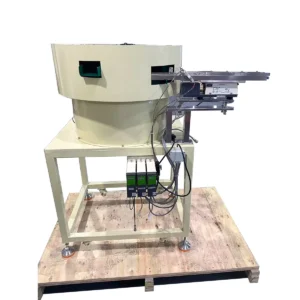
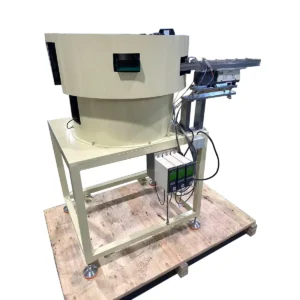
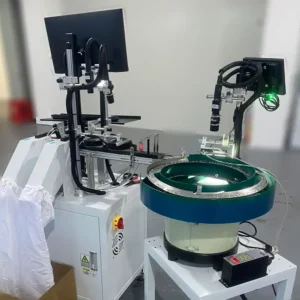
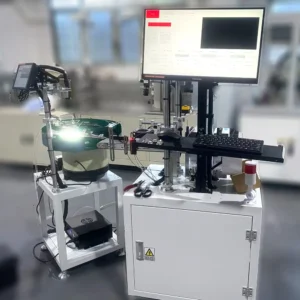
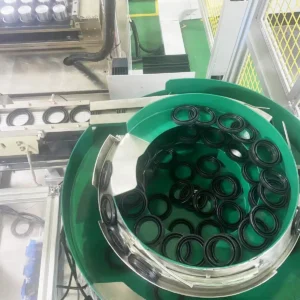
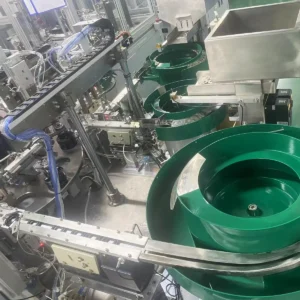
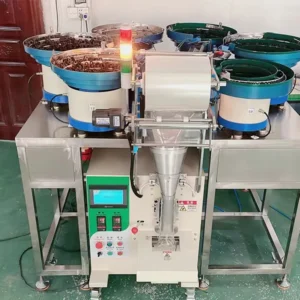
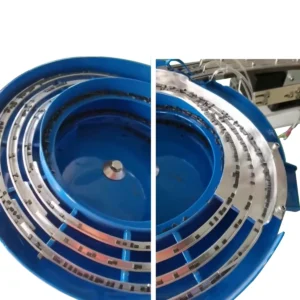
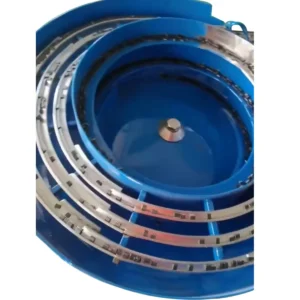
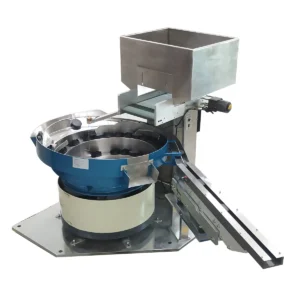
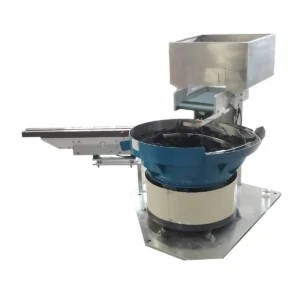
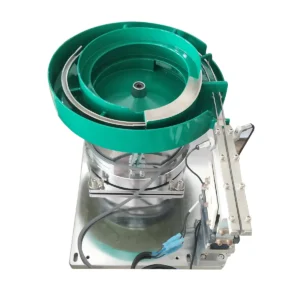
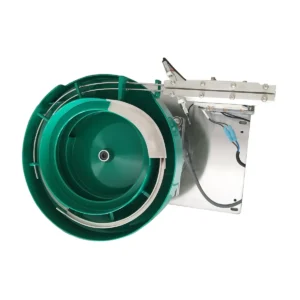
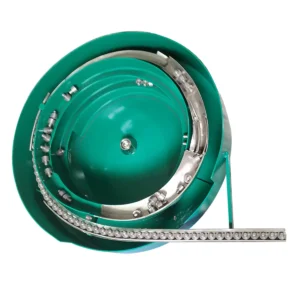
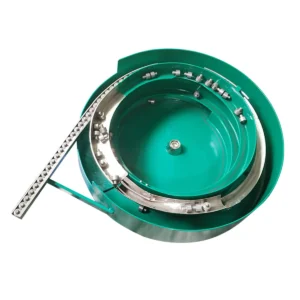
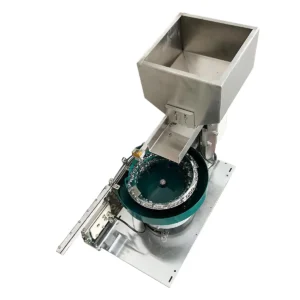
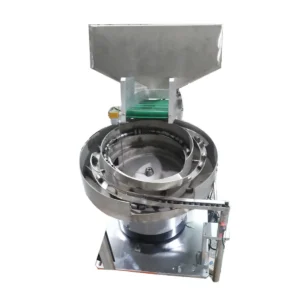
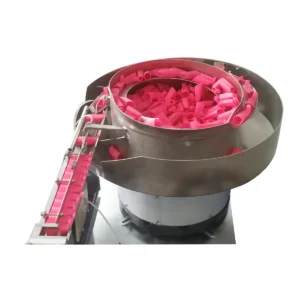
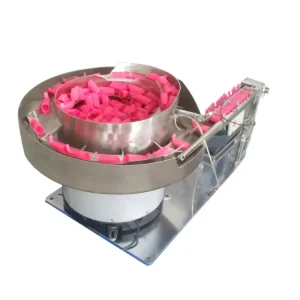
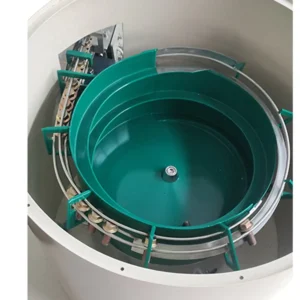
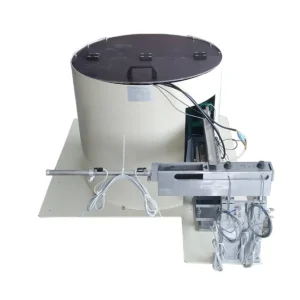
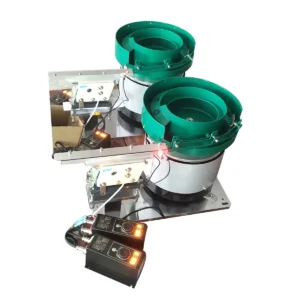
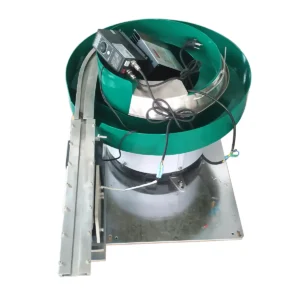
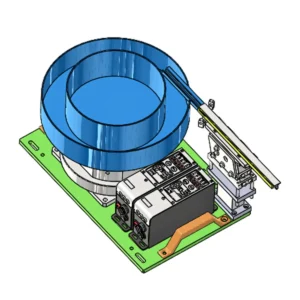
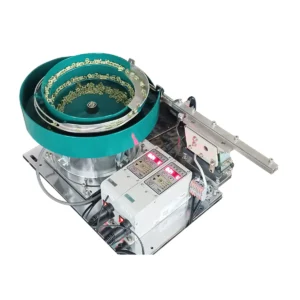
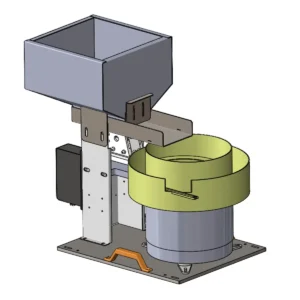
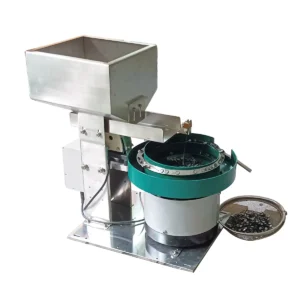
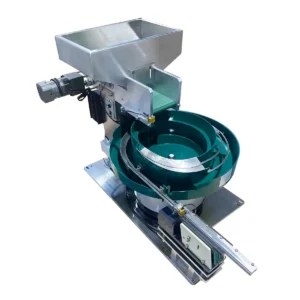
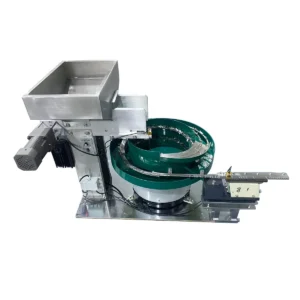
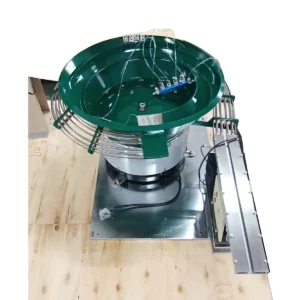
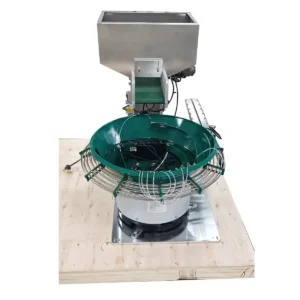
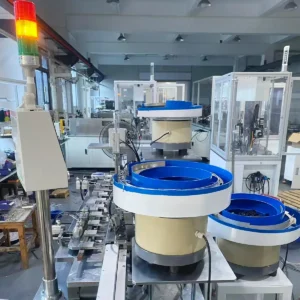
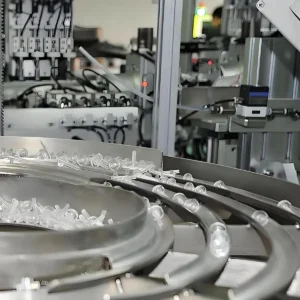
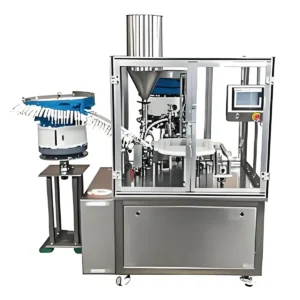
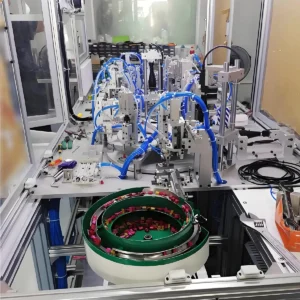
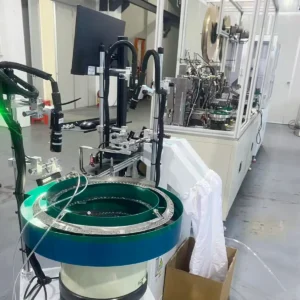
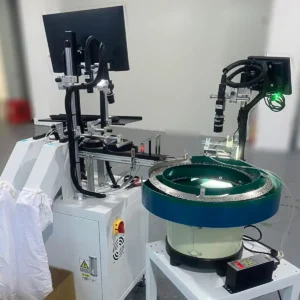
A vibratory bowl feeder is one of the most common machines used in assembly automation. It automatically sorts, aligns, and delivers small components to the assembly line in the correct position.
In Malaysia’s manufacturing industries, vibratory bowl feeders are widely used for handling parts such as screws, bolts, connectors, plastic components, caps, and electronic parts.
The main functions of a vibratory bowl feeder include:
- Sorting irregularly placed parts
- Aligning components in the correct direction
- Providing continuous feeding to assembly machines
- Reducing manual sorting work
- Improving production speed and consistency
By connecting with automation equipment, a bowl feeder helps create a smooth and stable assembly process.
Vibratory Bowl Feeders
Automatic Assembly Machines
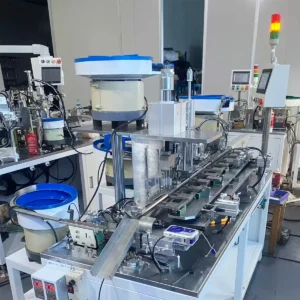
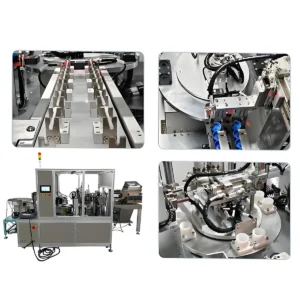
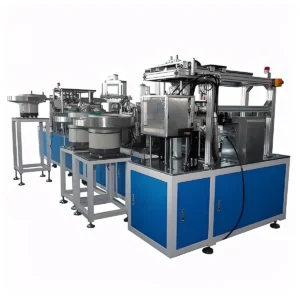
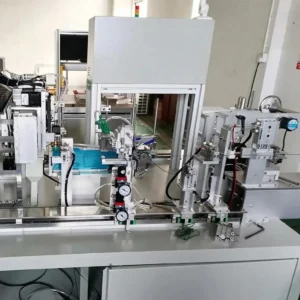
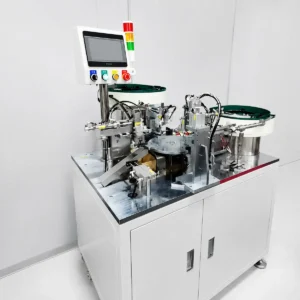
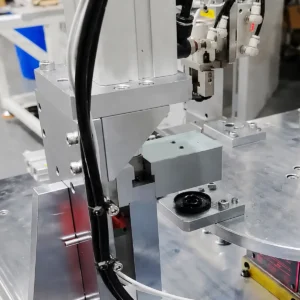
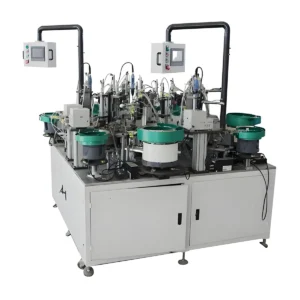
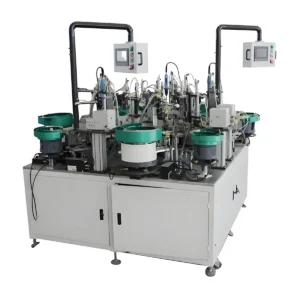
Automatic assembly machines combine multiple processes into one production system. These machines can automatically install, insert, press, screw, rivet, or connect different components together.
For example, an automatic assembly machine can complete tasks such as:
- Component loading
- Part positioning
- Assembly operations
- Fastening and joining
- Product output
Manufacturers use automatic assembly machines to improve production efficiency and maintain consistent product quality, especially for high-volume manufacturing.
Industries such as automotive parts, electronics, and household products often use customized assembly machines based on their production requirements.
Assembly Machines
Vision Inspection Systems for Quality Control
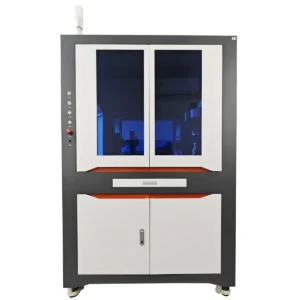
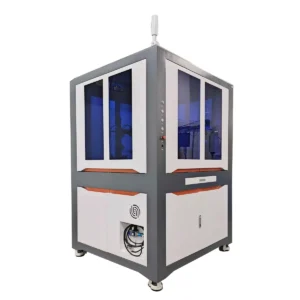
Vision inspection systems use cameras and image processing technology to check product quality during the assembly process.
Instead of relying only on manual inspection, manufacturers can use machine vision systems to detect:
- Missing components
- Incorrect assembly
- Surface defects
- Size differences
- Position errors
In Malaysia’s manufacturing environment, vision inspection systems are becoming more important because they help companies improve accuracy and reduce defective products.
When combined with assembly machines and feeders, vision inspection allows production lines to automatically identify and remove failed products.
Vision Inspection Systems
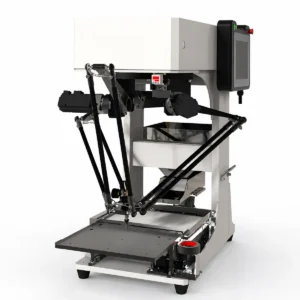
Industrial Robots and Delta Robots
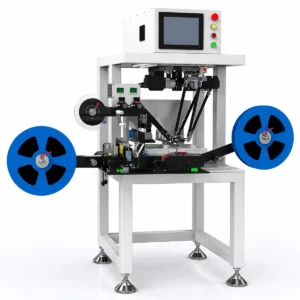
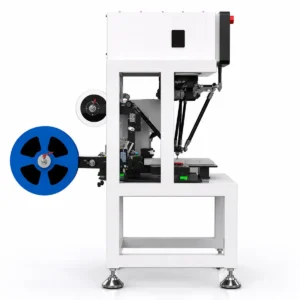
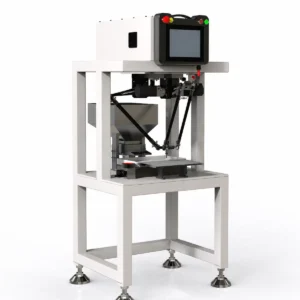
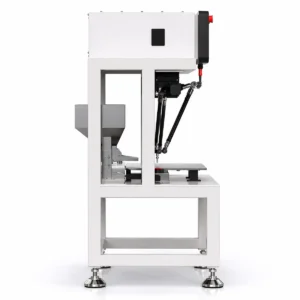
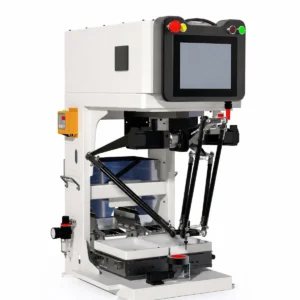
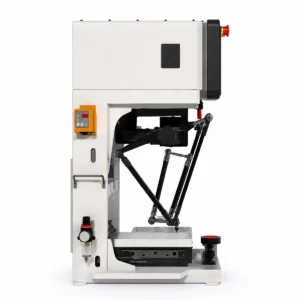
Industrial robots are widely used in modern assembly lines for repetitive and high-speed tasks. They help manufacturers improve production speed while reducing human involvement in repetitive operations.
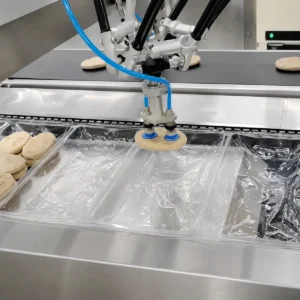
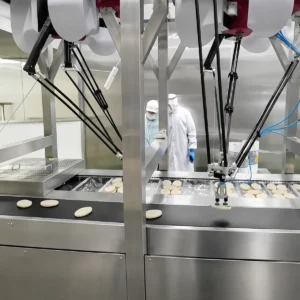
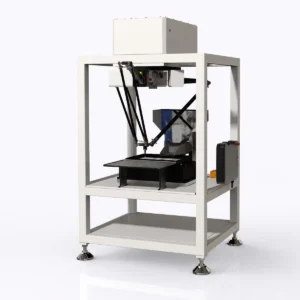
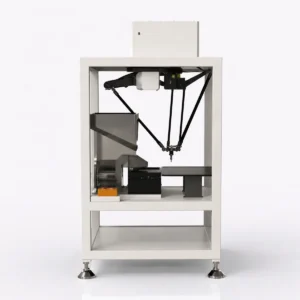
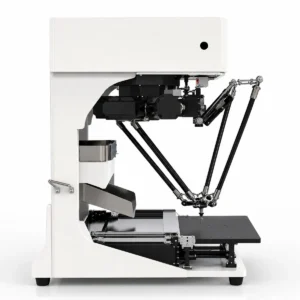
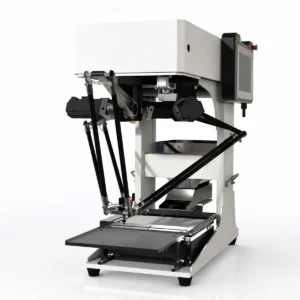
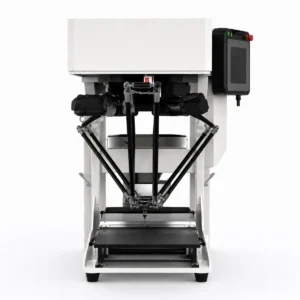
Delta robots are especially suitable for fast pick-and-place applications. They are commonly used for:
- Picking and placing products
- Sorting components
- Packaging applications
- Food processing automation
- Electronics assembly
With high speed and precision, Delta robots are a popular automation solution for industries that require fast and accurate handling.
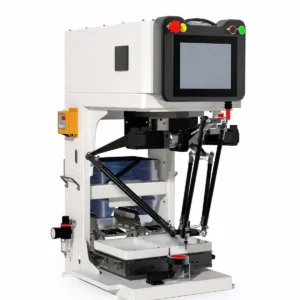
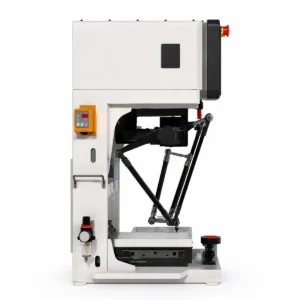
Delta Robots
Conveyor Systems and Material Handling Equipment
Conveyor systems are an important part of an assembly line because they move products and components between different production stages.
Common conveyor equipment includes:
- Belt conveyors
- Chain conveyors
- Hopper elevatory conveyors
- Transfer systems
These systems help create continuous production flow and reduce unnecessary manual movement.
In automated factories, conveyors are often connected with feeders, robots, and inspection systems to create a complete production solution.
Testing and Packaging Machines
After assembly is completed, products usually need testing and packaging before shipment.
Testing machines help manufacturers check product performance, safety, and functionality. Examples include:
- Electrical testing machines
- Leak testing systems
- Functional testing equipment
Packaging machines automatically complete processes such as:
- Counting
- Filling
- Sealing
- Labelling
- Packing
These machines help companies improve production efficiency and prepare products for the market faster.
Conclusion
Assembly lines use different types of machines to complete production tasks efficiently and accurately. From vibratory bowl feeders and automatic assembly machines to vision inspection systems, robots, conveyors, and testing equipment, each machine plays an important role in modern manufacturing.
For Malaysian manufacturers looking to improve production efficiency, automated assembly line solutions provide a reliable way to increase output, reduce errors, and achieve consistent product quality.
FAQs
Common assembly line machines include vibratory bowl feeders, automatic assembly machines, industrial robots, vision inspection systems, conveyor systems, testing machines, and packaging equipment.
An assembly machine automatically combines different components into a finished product. It helps manufacturers improve production speed, accuracy, and consistency.
Vibratory bowl feeders automatically sort and feed components in the correct orientation, allowing assembly machines to operate continuously without manual feeding.
Robots improve assembly lines by performing repetitive tasks quickly and accurately. They help reduce labour costs and improve production efficiency.
Yes. Assembly line machines can be customized based on product design, production requirements, speed, and automation level.
Yes. Automated assembly lines are widely suitable for Malaysian industries such as electronics, automotive, medical devices, and food manufacturing because they improve productivity and quality control.
