
Spring Assembly Machines for Automated Production
Spring assembly machines automate the feeding, positioning, assembly, and inspection of spring components in manufacturing lines. These systems help manufacturers handle repetitive spring assembly work with greater consistency while reducing manual labour.
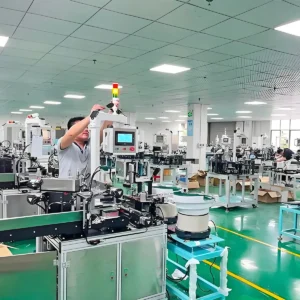
For Malaysian manufacturers, automated spring assembly provides a practical way to improve production capacity without relying heavily on manual operators. Moreover, custom machine designs can match different spring sizes, components, assembly methods, and production targets.
How Spring Assembly Machines Work
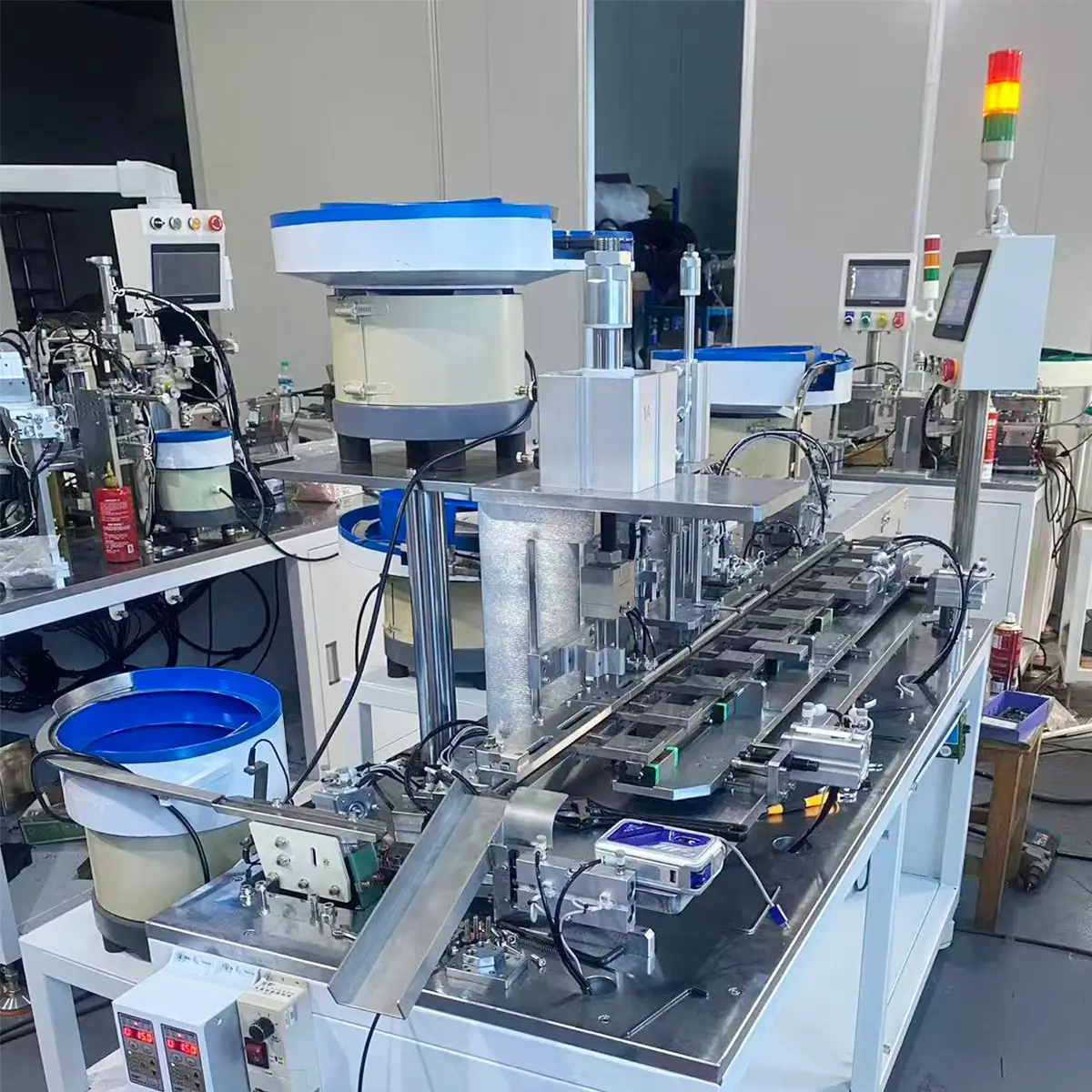
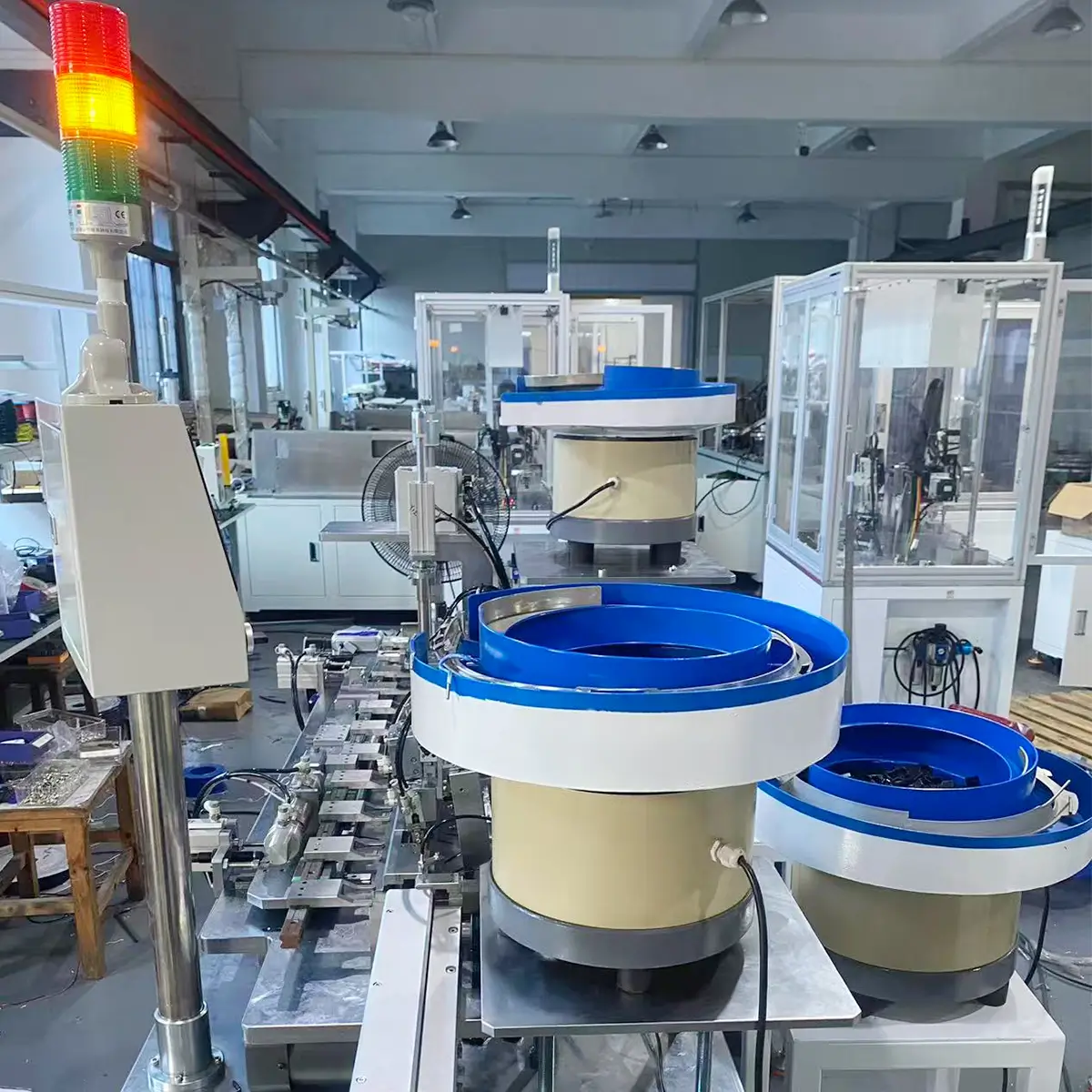
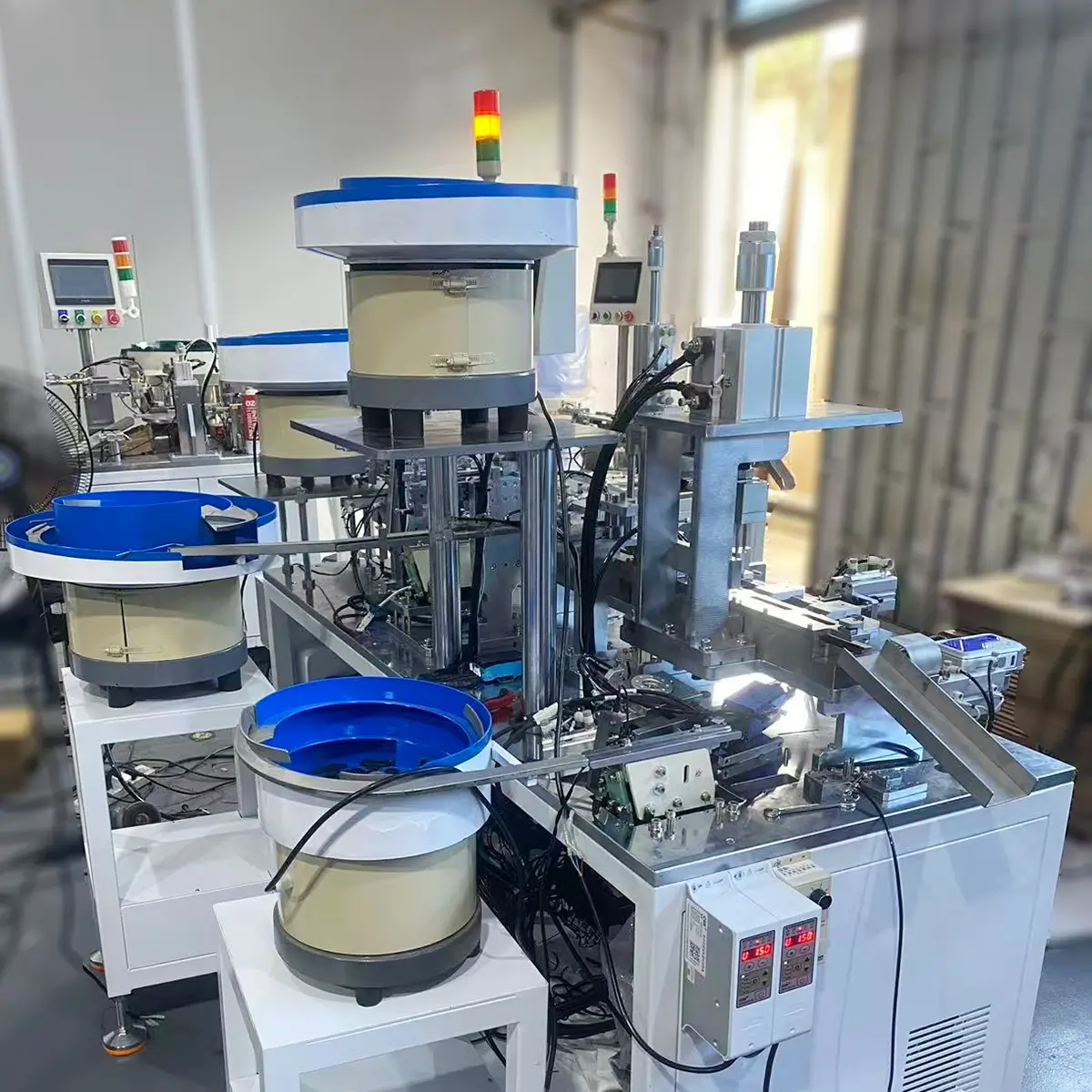
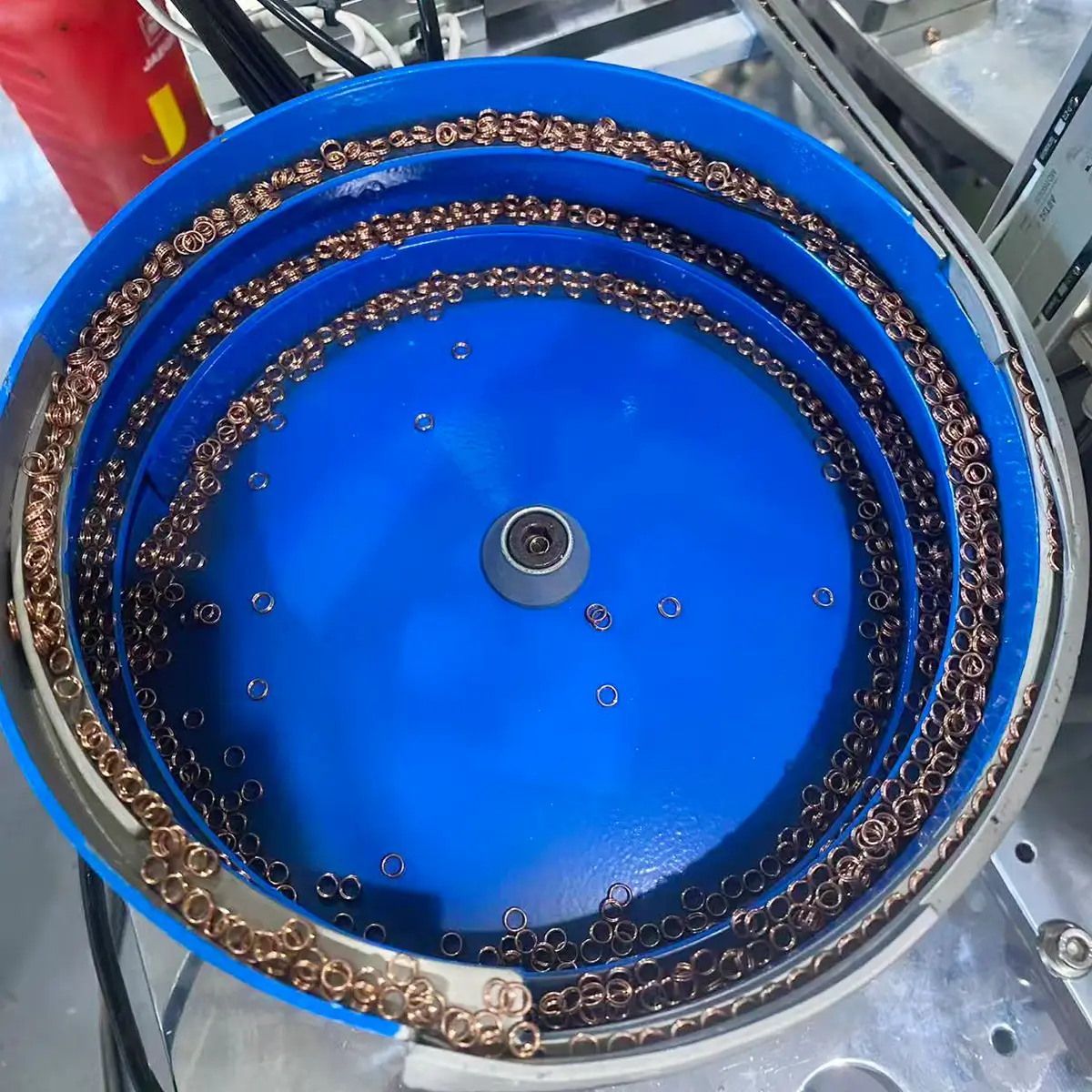
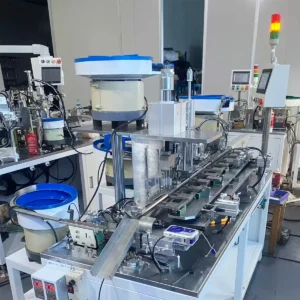
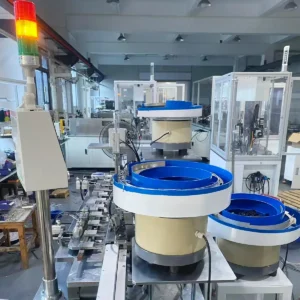
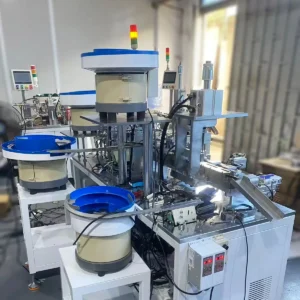
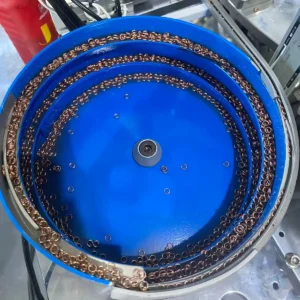
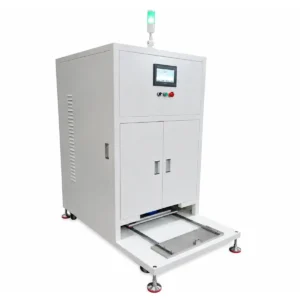
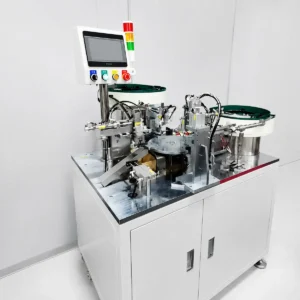
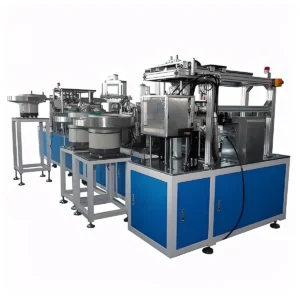
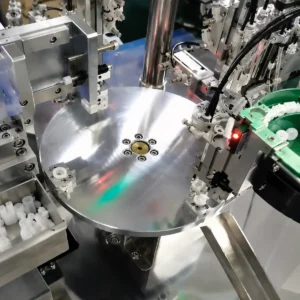
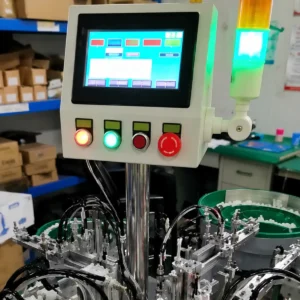
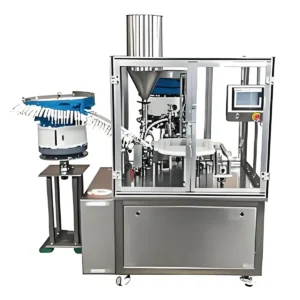
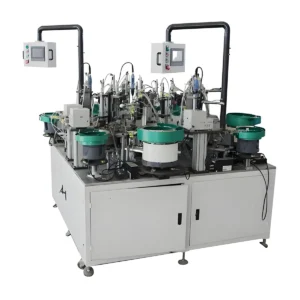
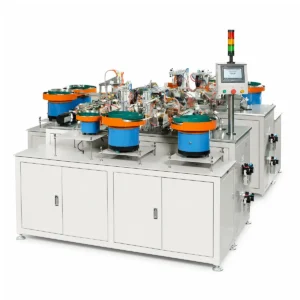
Spring assembly machines combine feeding systems, assembly mechanisms, sensors, pneumatic components, and control systems into one automated production line. Vibratory bowl feeders or other feeding systems separate and orient springs before sending them to the assembly station.
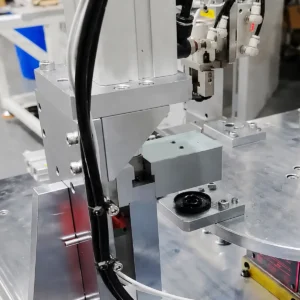
During operation, components move through several controlled stages. Feeding systems deliver springs and other parts in the required orientation, while positioning mechanisms place components accurately for assembly. Pneumatic or servo-driven units then complete insertion, pressing, fitting, or other assembly processes.
Meanwhile, sensors monitor component positions and machine conditions. Vision inspection systems can also check component orientation, assembly results, or product defects before finished parts move to the next production stage.
Key Features of Automatic Spring Assembly Machines
Custom spring assembly machines can include different automation functions according to product requirements. Typical configurations include:
- Automatic spring feeding and orientation
- Multi-part component feeding
- Automatic positioning and assembly
- Pneumatic or servo-driven assembly mechanisms
- Sensor-based part detection
- Vision inspection options
- Automatic defective-part rejection
- PLC control systems
- Production counting and monitoring
- Safety guarding and protective enclosures
- Custom tooling for different spring assemblies
Additionally, feeding systems can handle different spring shapes and component sizes. Manufacturers can therefore select a machine configuration based on product geometry, assembly sequence, cycle time, and required output.
Benefits of Using Spring Assembly Machines
Higher Production Efficiency
Automated spring assembly machines maintain consistent operating cycles and reduce the time required for repetitive manual operations. As a result, manufacturers can increase output while keeping production processes more stable.
Lower Labour Requirements
Manual spring assembly often requires operators to repeatedly pick, position, and assemble small components. Automation reduces these repetitive tasks and allows operators to focus on machine supervision, quality control, and other production activities.
Consistent Assembly Quality
Precise feeding and positioning mechanisms help maintain consistent component placement. Furthermore, sensors and vision inspection systems can identify incorrect parts or assembly problems before products reach the next production stage.
Flexible Production
Custom machines can accommodate different spring sizes, component combinations, and assembly processes. Therefore, manufacturers can build equipment around their actual products instead of changing their production process to fit a standard machine.
Better Long-Term Production Control
Automated systems can provide stable cycle times and production monitoring. Consequently, manufacturers gain better control over output, labour allocation, quality checks, and production planning.
Applications of Spring Assembly Machines
Spring assembly machines suit industries that use springs as part of mechanical or functional components. Common applications include:
- Automotive components
- Electrical and electronic products
- Hardware components
- Consumer products
- Small mechanical assemblies
- Medical device components
- Appliance components
- Industrial equipment
- Precision parts
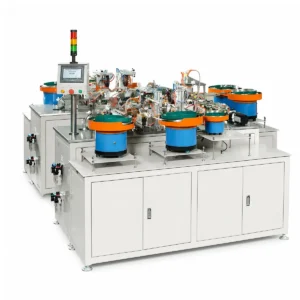
Different applications require different feeding and assembly methods. For example, small springs may require controlled feeding and orientation, while assemblies with multiple components may need several feeders and sequential assembly stations.
Custom Spring Assembly Machines for Malaysian Manufacturers
Standard machines may not always match the exact requirements of a spring assembly project. Product dimensions, spring characteristics, assembly sequences, cycle times, and available factory space can all affect machine design.
SWOER Malaysia provides custom automation solutions based on specific production requirements. Its automation systems can combine feeding, assembly, inspection, control, and material handling functions within one production line.
Manufacturers can work with SWOER Malaysia to develop solutions around their existing production processes. In addition, custom tooling and feeding systems can support different component shapes and assembly requirements.
Why Choose SWOER Malaysia for Spring Assembly Automation?
Manufacturers looking for spring assembly automation in Malaysia can benefit from a solution-focused approach rather than selecting equipment based only on standard specifications.
SWOER Malaysia focuses on custom automation equipment, including automatic assembly machines, vibratory feeding systems, flexible feeding systems, vision inspection solutions, and robotic automation. These technologies can work together to create a complete automated production process.
Furthermore, custom engineering allows machine layouts, feeding methods, assembly stations, inspection functions, and control systems to match individual production requirements. This approach helps manufacturers improve efficiency while keeping the equipment aligned with their products and factory conditions.
What to Consider Before Buying a Spring Assembly Machine
Production requirements should come first when selecting an automatic spring assembly machine. Manufacturers should evaluate several factors before requesting a machine proposal:
- Spring dimensions and material
- Component shape and weight
- Required assembly sequence
- Target production output
- Required cycle time
- Assembly accuracy
- Inspection requirements
- Available factory space
- Existing production equipment
- Future product variations
Clear product samples and production requirements also help automation suppliers design a more suitable system. Therefore, manufacturers should provide drawings, samples, expected output, and assembly process information during the initial discussion.
Get a Custom Spring Assembly Machine in Malaysia
Growing production volumes can make manual spring assembly difficult to maintain, especially when manufacturers need consistent output and stable quality. Automatic spring assembly machines offer a practical solution by combining controlled feeding, precise assembly, inspection, and production monitoring.
For Malaysian manufacturers, SWOER Malaysia can develop custom spring assembly automation according to product specifications and production targets. Whether the project requires a dedicated spring assembly machine or a complete automated line, customized feeding and assembly solutions can help improve productivity and reduce repetitive labour.
Contact SWOER Malaysia to discuss your spring assembly requirements and request a custom automation solution.
Reviews
There are no reviews yet.