


Product Introduction
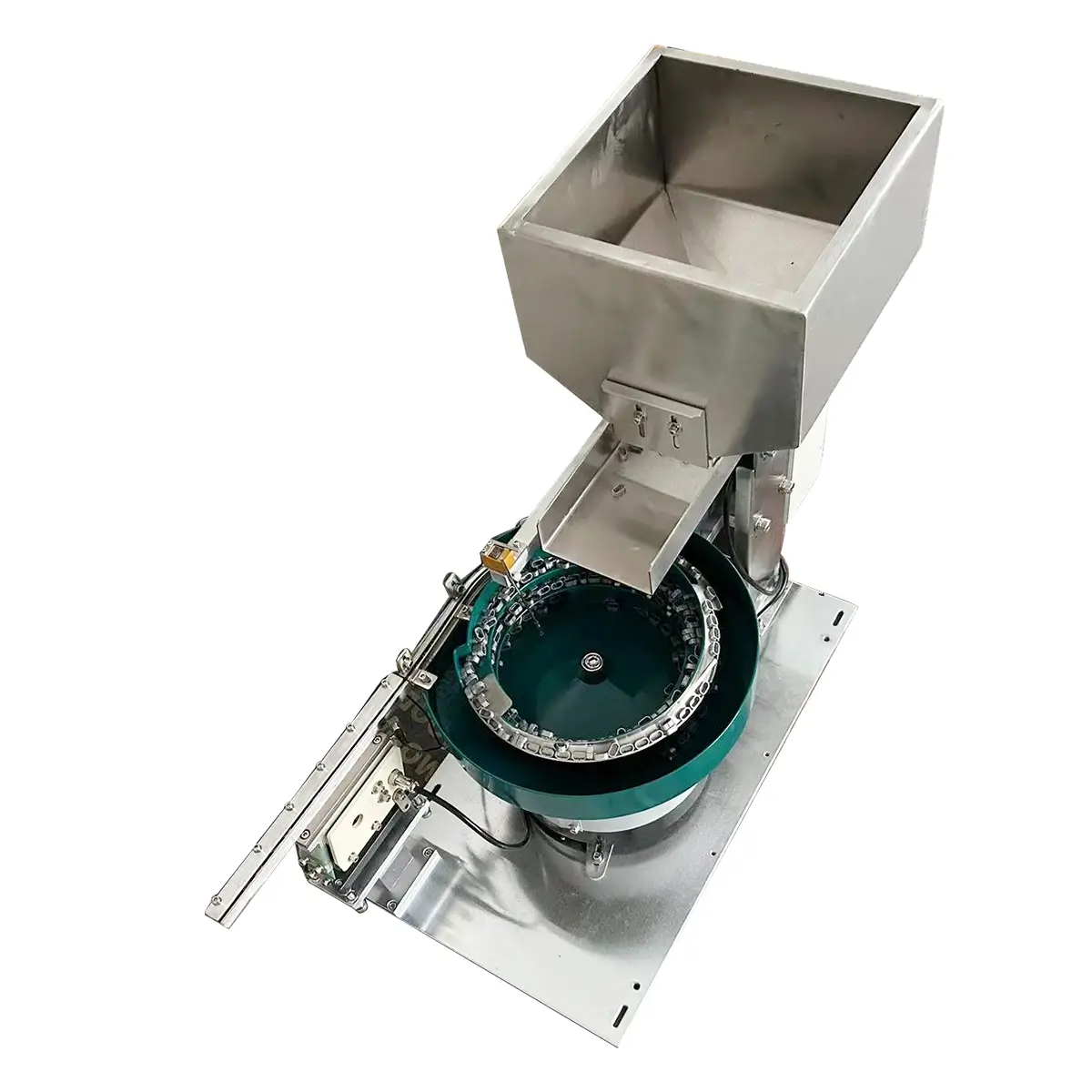
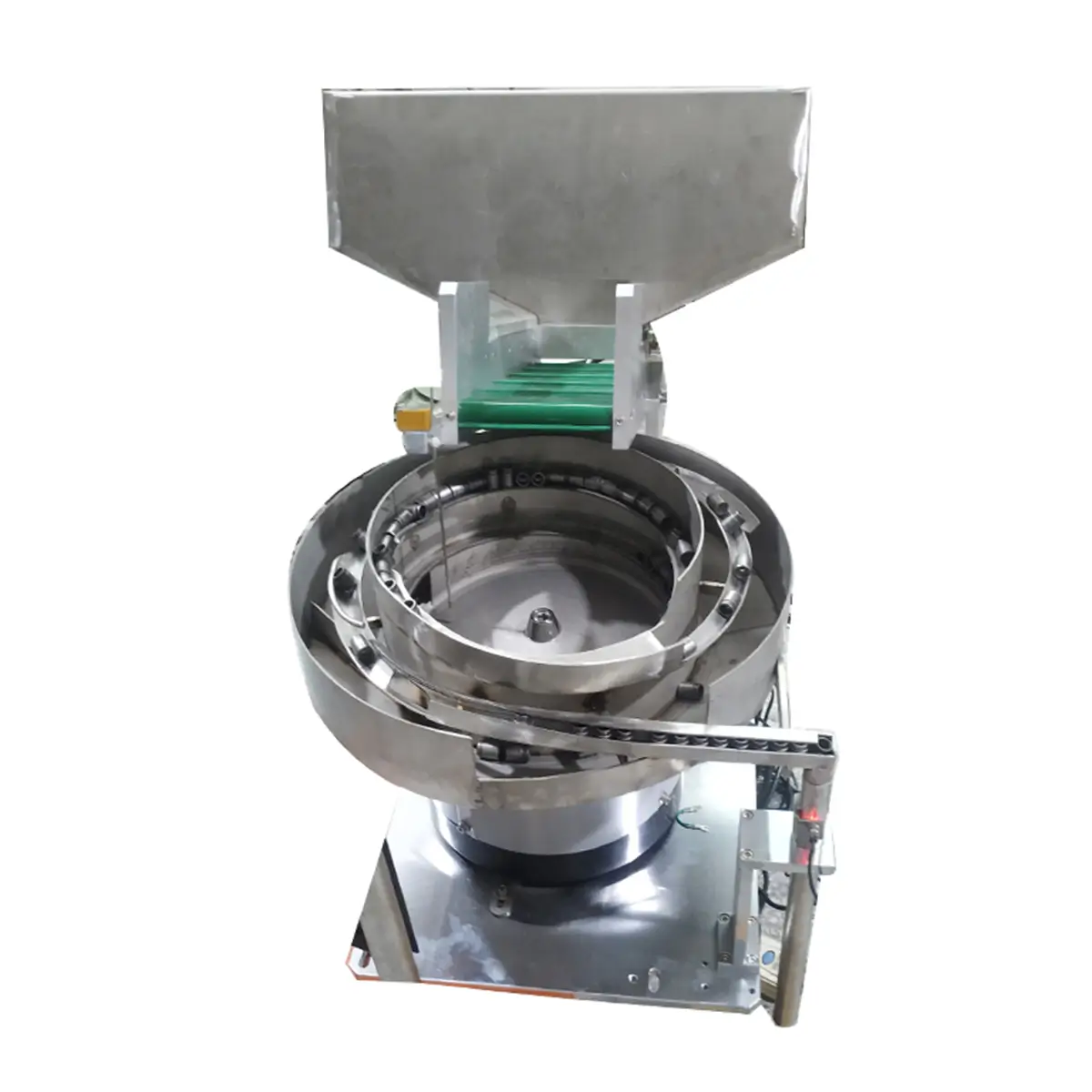
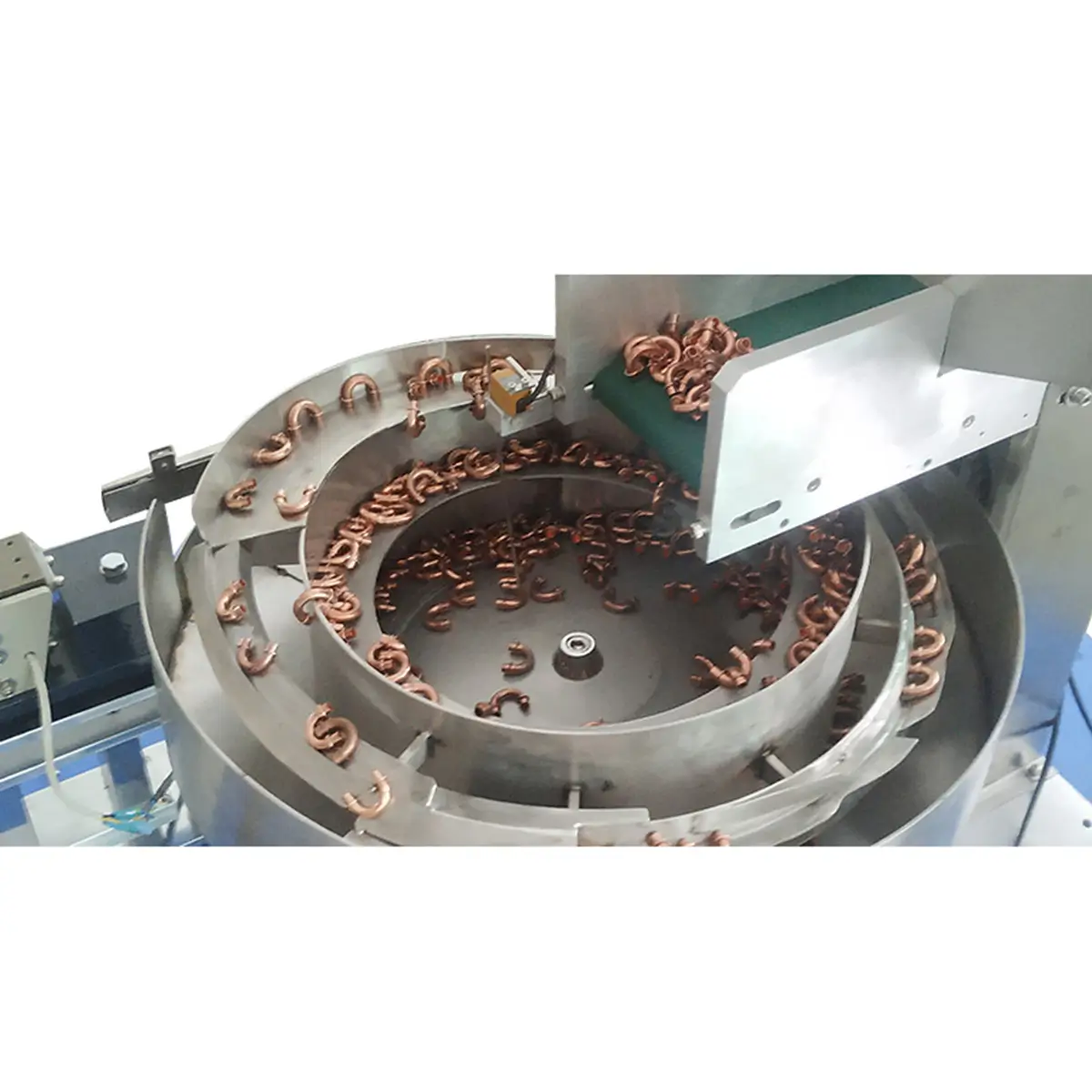
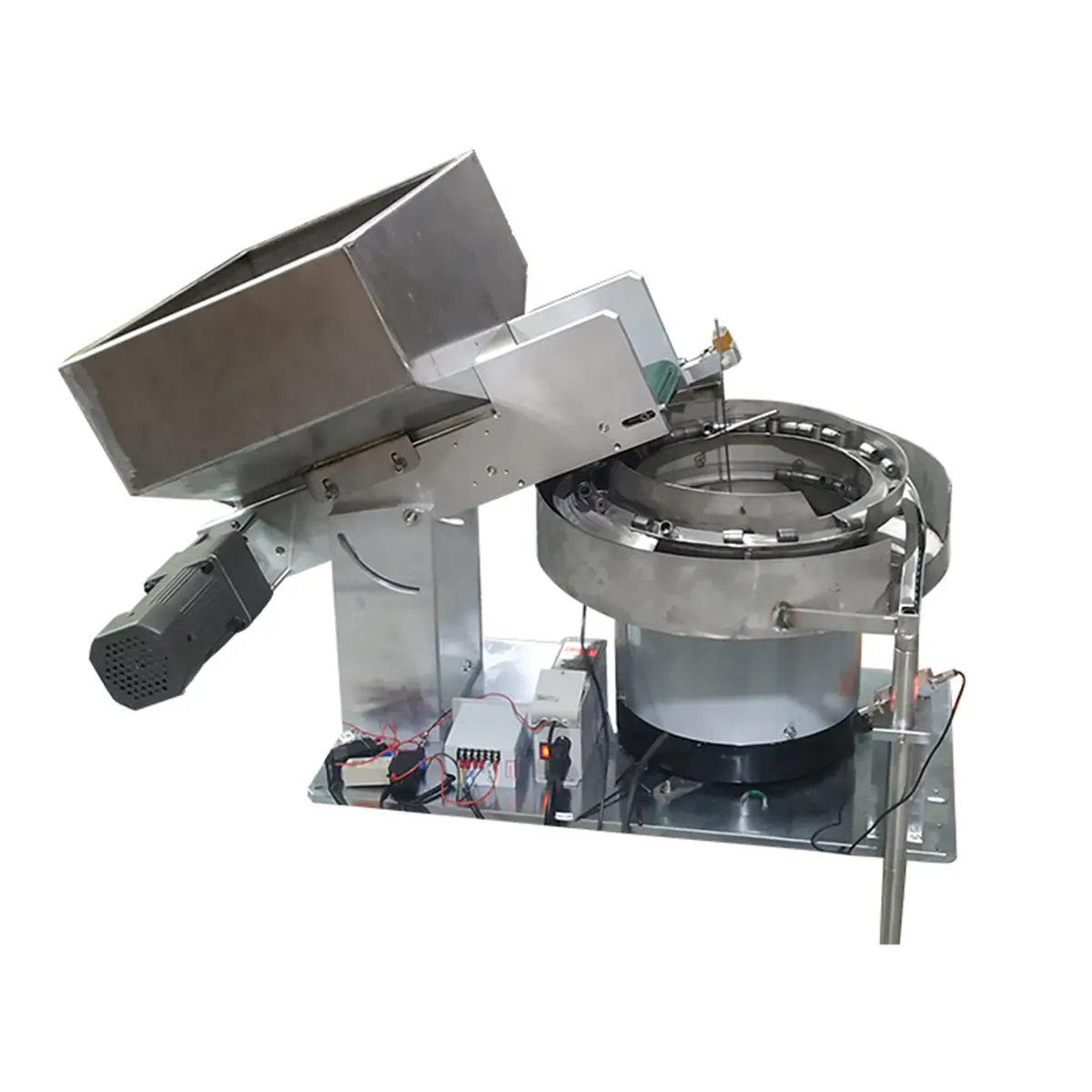
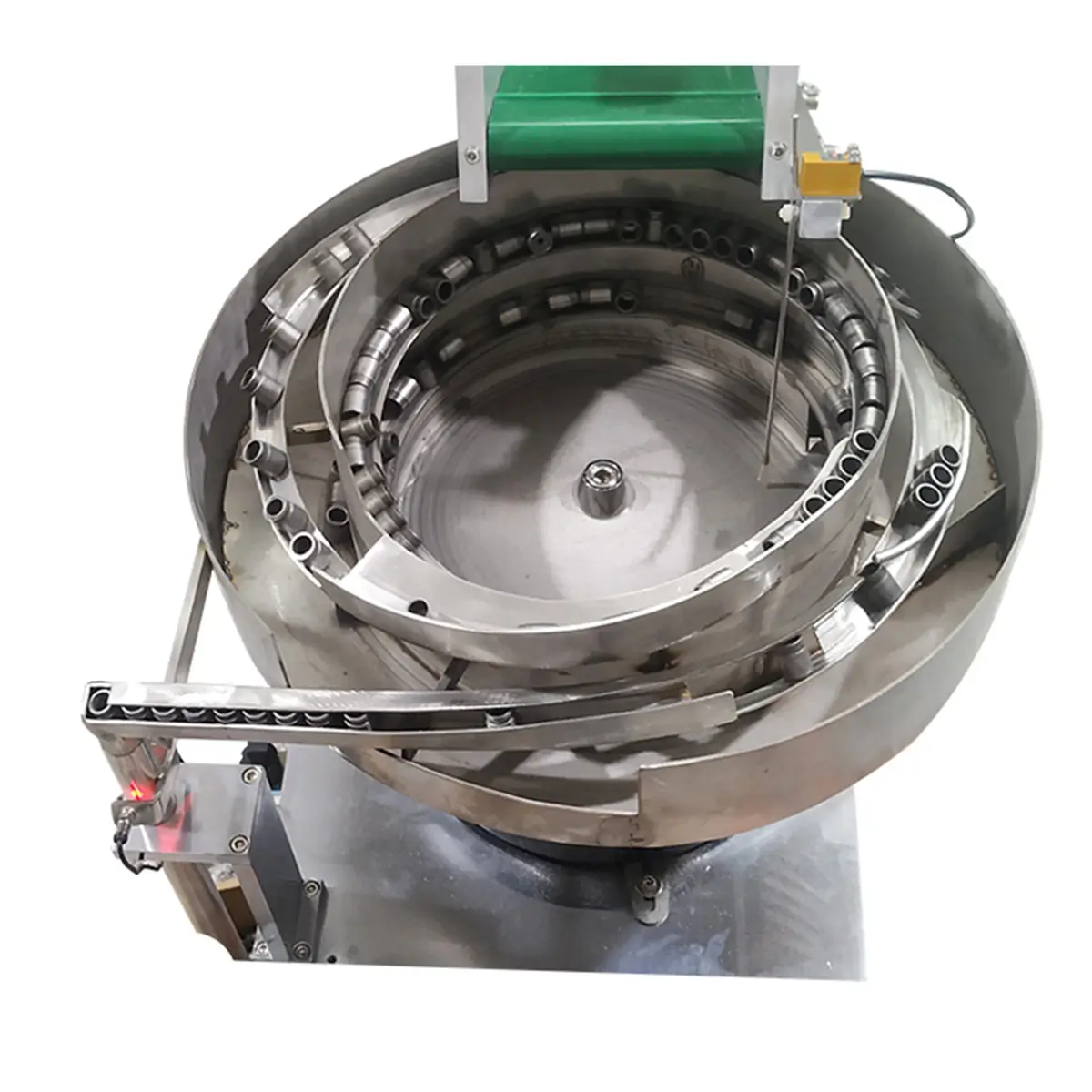
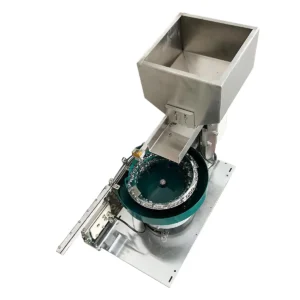
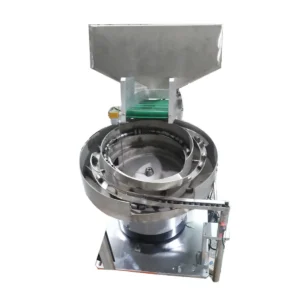
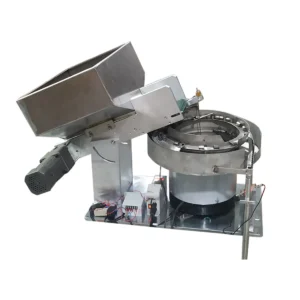
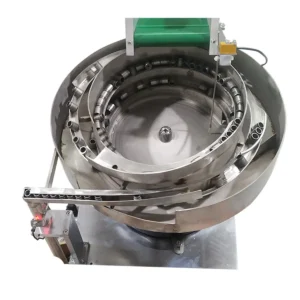
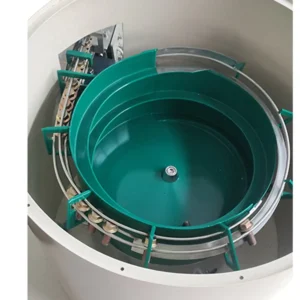
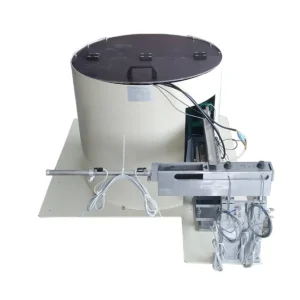
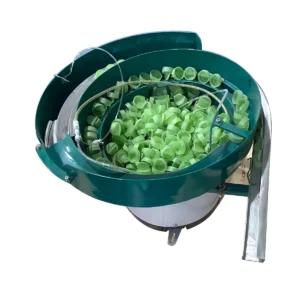
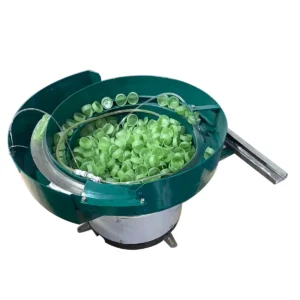
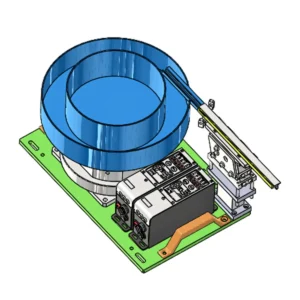
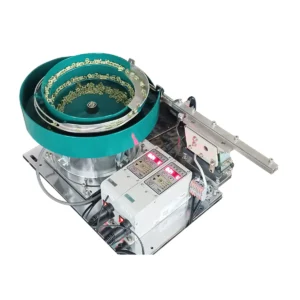
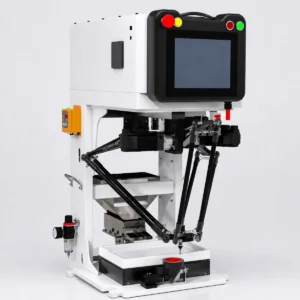
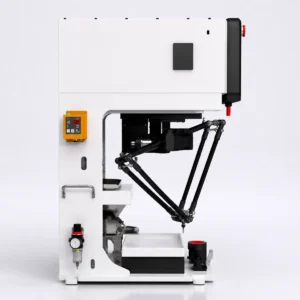
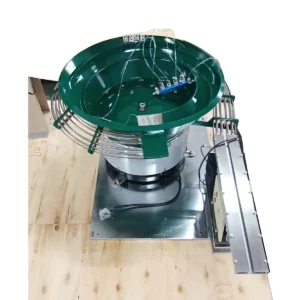
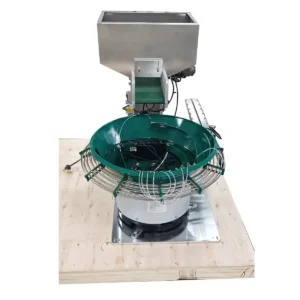
The Bowl Feeder for Metal Components – Vibratory Parts Feeder delivers fast, stable, and precise part handling for modern automation lines. This system uses controlled vibration to orient, separate, and feed metal components consistently into downstream equipment. Manufacturers in Malaysia rely on this solution to improve production speed and reduce manual handling errors. The feeder integrates easily with assembly machines, inspection systems, and robotic automation cells, helping factories build efficient and scalable production workflows.
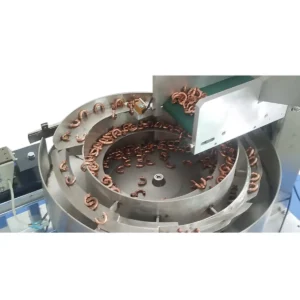
Engineers design this vibratory bowl feeder to handle a wide range of metal parts, including screws, pins, washers, fasteners, and custom precision components. The system supports continuous operation and maintains stable feeding performance even in high-speed industrial environments.
Application Scenarios
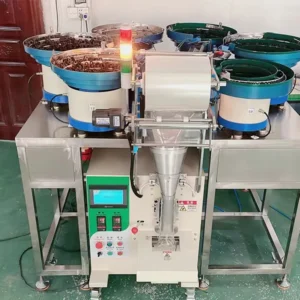
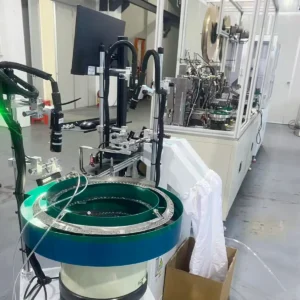
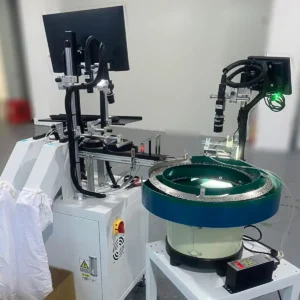
This bowl feeder fits many industrial sectors in Malaysia, including automotive parts manufacturing, electronics assembly, metal fabrication, hardware production, and appliance manufacturing. Production lines use it for automatic sorting before assembly, vision inspection systems, robotic pick-and-place stations, and packaging processes. Factories that require high-volume metal component handling benefit from its consistent performance and low maintenance design.
Advantages
This vibratory parts feeder improves production efficiency by eliminating inconsistent manual feeding. It delivers accurate part orientation and stable flow, which reduces downtime and prevents machine jams. The system supports continuous 24/7 operation, making it suitable for mass production environments.
Manufacturers gain higher output rates because the feeder synchronizes smoothly with automated equipment. The robust stainless-steel structure resists wear and supports long service life in demanding industrial conditions. Operators can adjust vibration intensity to match different part sizes and shapes, ensuring flexible production control.
The design also reduces labor costs and improves workplace safety by minimizing manual part handling. Easy integration with PLC systems and automation lines helps factories upgrade existing production setups without complex modifications.
评价
目前还没有评价