


Introduction
A vibrating bowl, also known as a vibratory bowl feeder, plays a critical role in modern automation systems. It automatically sorts, orients, and feeds parts into assembly, packaging, inspection, or production lines. Manufacturers across industries such as electronics, automotive, medical devices, and consumer goods rely on vibrating bowls to improve efficiency, reduce manual labor, and maintain consistent production speeds.
Understanding how to use a vibrating bowl correctly can help maximize performance, minimize downtime, and extend equipment lifespan. This guide explains the essential steps, operating principles, and best practices for using a vibrating bowl feeder effectively.
What Is a Vibrating Bowl and How Does It Work?
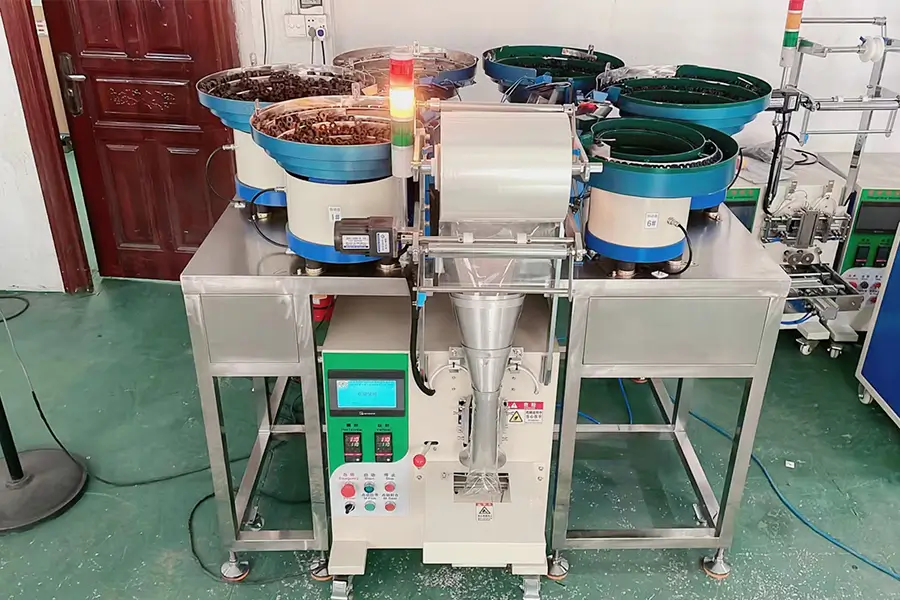
A vibrating bowl feeder consists of a bowl mounted on a base equipped with electromagnetic drives. When powered on, the drive generates controlled vibrations that move parts upward along a specially designed track.
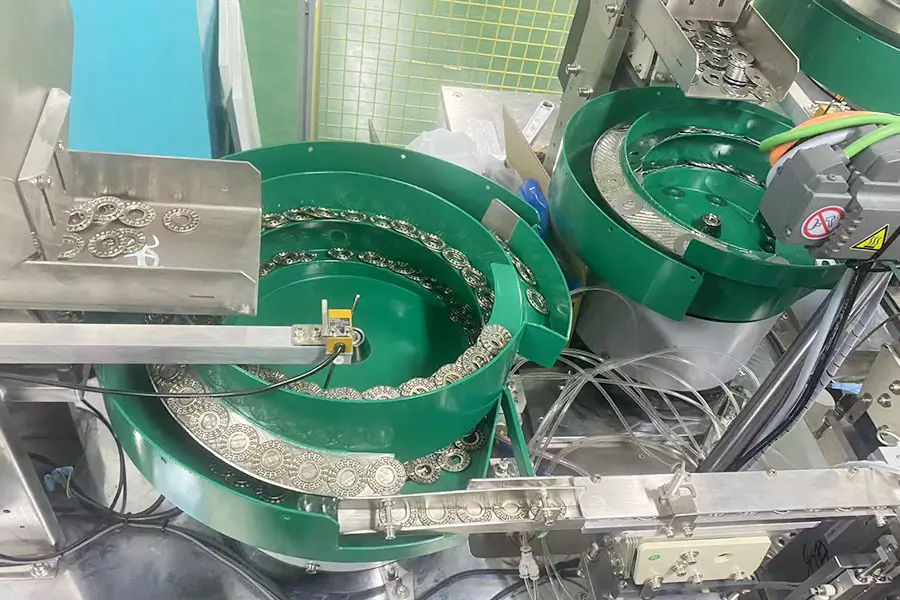
As parts travel through the bowl, the tooling and track features orient them into the required position. Incorrectly oriented parts return to the bowl, while correctly oriented parts continue toward the discharge point and downstream automation equipment.
This continuous feeding process enables manufacturers to deliver parts accurately and consistently without manual intervention.
Preparing the Vibrating Bowl Before Operation
Proper preparation ensures stable feeding performance and prevents operational issues.
Before starting the machine:
- Inspect the bowl, track, and tooling for debris or damage.
- Verify that all mounting bolts and fasteners remain secure.
- Check electrical connections and controller settings.
- Confirm that the feeding track is free from obstructions.
- Ensure the bowl matches the part type being processed.
- Review safety guards and protective covers.
Loading the correct parts and confirming compatibility between the bowl tooling and the component design can significantly improve feeding efficiency.
How to Load Parts Correctly
Proper loading directly affects feeder performance.
Avoid overfilling the bowl, as excessive part volume can create congestion and reduce orientation efficiency. Instead, load parts gradually and maintain a consistent supply level.
For optimal operation:
- Use clean, dry parts.
- Remove damaged or deformed components.
- Avoid mixing different part types in the same bowl.
- Maintain recommended part quantities.
A balanced part load allows the vibratory system to move components smoothly through the orientation process.
Adjusting Vibration Settings for Best Performance
The controller regulates vibration intensity and feeding speed. Different components require different vibration levels depending on their size, weight, shape, and material.
When adjusting settings:
- Start with a low vibration level.
- Gradually increase the amplitude.
- Observe part movement along the track.
- Fine-tune the speed for smooth feeding.
- Prevent excessive vibration that may cause part bouncing or jamming.
Proper adjustment improves throughput while reducing wear on both parts and equipment.
Monitoring and Troubleshooting During Operation
Continuous monitoring helps maintain reliable performance.
Common issues include:
Parts Feeding Too Slowly
- Increase vibration amplitude.
- Check for track contamination.
- Verify proper part loading levels.
Parts Jamming on the Track
- Inspect tooling dimensions.
- Remove damaged components.
- Check for excessive vibration.
Inconsistent Orientation
- Review bowl tooling design.
- Confirm part specifications match the feeder configuration.
- Inspect wear on orientation devices.
Regular observation allows operators to identify and resolve problems before they affect production.
Maintenance Tips for Long-Term Reliability
Routine maintenance keeps a vibrating bowl feeder operating efficiently.
Recommended maintenance tasks include:
- Cleaning the bowl and track regularly.
- Inspecting springs and mounting hardware.
- Checking electromagnetic drive performance.
- Examining wear-resistant coatings.
- Testing controller functionality.
- Lubricating components where applicable according to manufacturer recommendations.
A preventive maintenance schedule can reduce unexpected downtime and extend equipment life.
Conclusion
A vibrating bowl feeder provides a reliable solution for automated part feeding and orientation. By preparing the equipment properly, loading parts correctly, adjusting vibration settings, monitoring performance, and performing regular maintenance, manufacturers can achieve consistent feeding accuracy and higher production efficiency. Whether used in electronics assembly, automotive manufacturing, medical device production, or packaging applications, a well-operated vibrating bowl feeder helps streamline automation processes and improve overall productivity.
FAQs
A vibrating bowl feeder automatically sorts, orients, and feeds parts into automated production systems.
- How do I adjust the feeding speed?
You can adjust feeding speed through the vibration controller by increasing or decreasing vibration amplitude.
- Why are parts jamming inside the bowl?
Jamming may occur due to incorrect tooling, damaged parts, contamination, or excessive vibration settings.
- Can one vibrating bowl handle different parts?
Most bowls are designed for specific part geometries. Different parts often require customized tooling or a separate feeder.
- How often should I maintain a vibrating bowl feeder?
Routine inspections should occur weekly, while comprehensive maintenance schedules depend on operating hours and production conditions.
- Which industries commonly use vibrating bowl feeders?
Industries including automotive, electronics, medical devices, packaging, consumer goods, and industrial manufacturing frequently use vibratory bowl feeders.
