
Introduction
Delta robots are high-speed industrial robots designed for precise picking, placing, sorting, and assembly operations. Manufacturers use delta robots across different industries because these robotic systems deliver fast movement, accurate positioning, and reliable performance for repetitive tasks.
Unlike traditional robotic arms, delta robots use a parallel structure with multiple lightweight arms connected to a fixed base. This design allows them to move quickly while maintaining high accuracy, making them suitable for production lines that require speed and consistency.
Moreover, automation demands continue to grow as manufacturers look for ways to improve efficiency, reduce labor costs, and maintain stable product quality. Therefore, delta robots have become an important solution for modern automated manufacturing systems.
How Do Delta Robots Work?
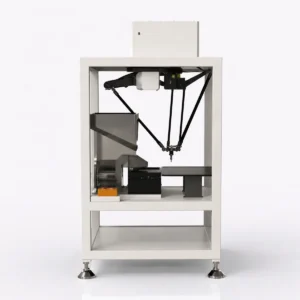
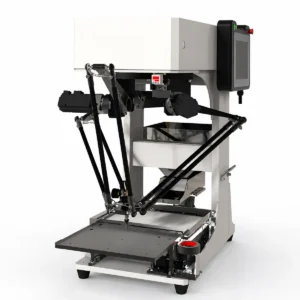
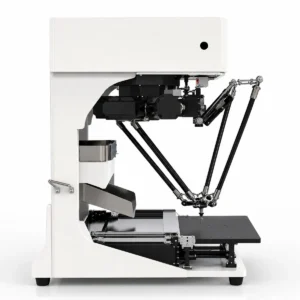
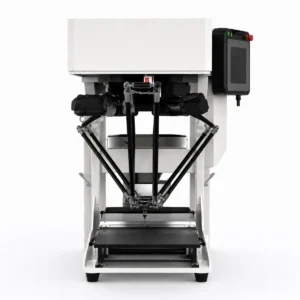
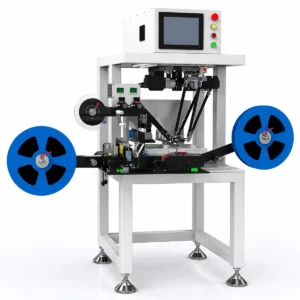
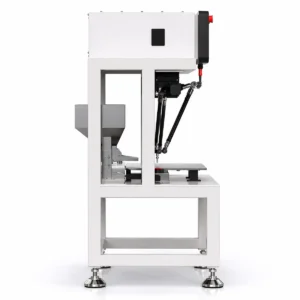
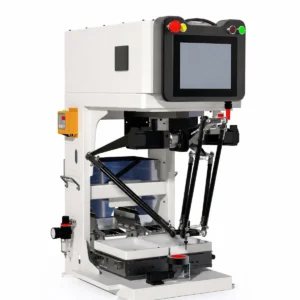
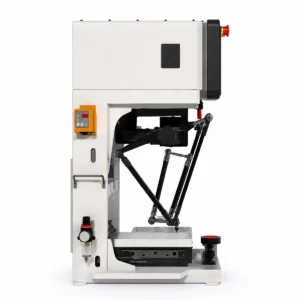
Delta robots operate through a parallel mechanism that controls movement through three or more connected arms. The motors remain on the fixed frame, while lightweight links move the end tool with high speed.
During production, delta robots receive signals from control systems and move the end-effector to complete tasks such as picking components, placing products, or transferring materials. Vision systems can also guide delta robots by identifying product positions and adjusting movements in real time.
Additionally, flexible feeding systems, conveyors, and inspection equipment can integrate with delta robots to create complete automation solutions for different production requirements.
Common Applications of Delta Robots
Electronics Component Assembly
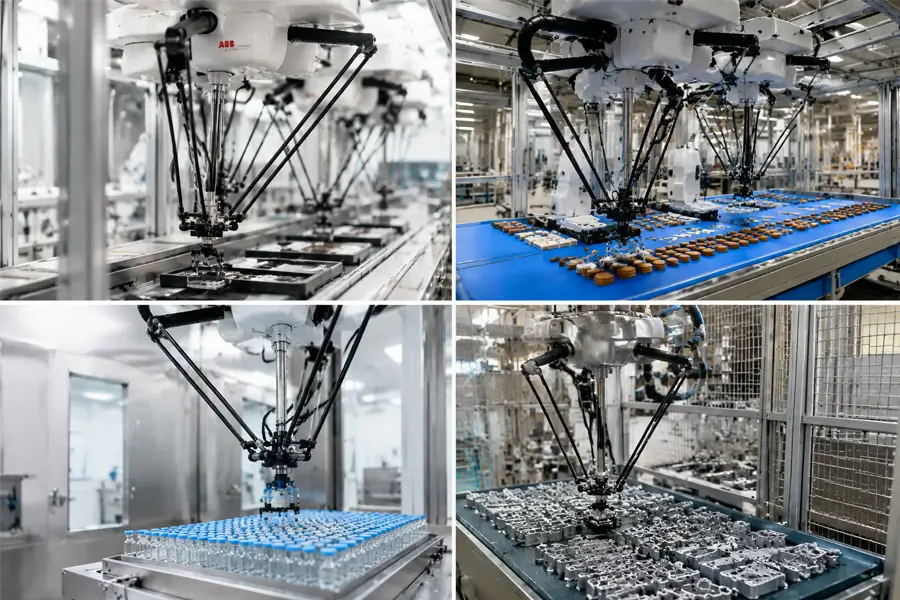
Electronics manufacturers use delta robots for handling small and delicate components that require high precision. These robots can pick and place parts such as connectors, circuit board components, sensors, and electronic accessories.
Furthermore, delta robots help electronics factories maintain consistent production speeds while reducing errors caused by manual handling. Their compact design also makes them suitable for clean and space-limited production environments.
Food Sorting and Packaging
Food manufacturers apply delta robots for fast sorting, transferring, and packaging processes. These robotic systems can handle products such as snacks, baked goods, frozen foods, and fresh products with high efficiency.
Meanwhile, food production lines benefit from delta robots because they support hygienic automation and reduce direct human contact with products.
Pharmaceutical Manufacturing
Pharmaceutical companies use delta robots for precise handling of medical products, packaging materials, and laboratory items. Their accurate movements help manufacturers protect sensitive products during automated processes.
In addition, delta robots can work together with vision inspection systems to identify product defects, verify positions, and improve quality control.
Automotive Parts Handling
Automotive manufacturers use delta robots for sorting, feeding, and assembling lightweight automotive components. These applications require fast cycle times and stable performance, which delta robots provide effectively.
Besides improving production speed, delta robots help automotive factories optimize workflows by automating repetitive handling operations.
Benefits of Using Delta Robots in Automation
Higher Production Speed
Delta robots deliver extremely fast movements because of their lightweight parallel structure. Manufacturers can complete more production cycles within shorter periods compared with many traditional robotic systems.
As a result, companies can increase output while maintaining consistent operation throughout long production hours.
Better Accuracy and Consistency
Delta robots provide precise positioning during high-speed operations. This accuracy helps manufacturers reduce assembly mistakes, improve product quality, and maintain stable production standards.
Moreover, combining delta robots with vision inspection systems allows factories to achieve smarter automation with real-time adjustment capabilities.
Reduced Labor Requirements
Manufacturers can use delta robots to automate repetitive tasks that usually require continuous manual operation. These robots handle material picking, sorting, and placement processes without frequent human intervention.
Consequently, production teams can focus more on machine monitoring, quality management, and process improvement.
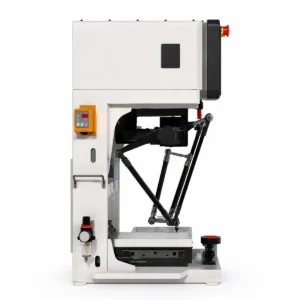
Delta Robots with Flexible Feeding Systems
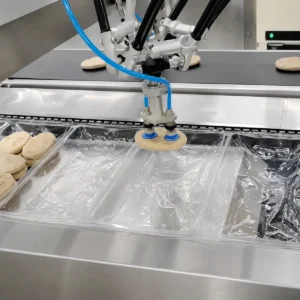
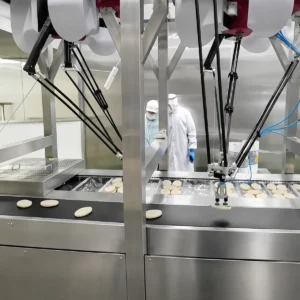
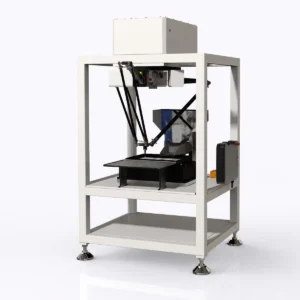
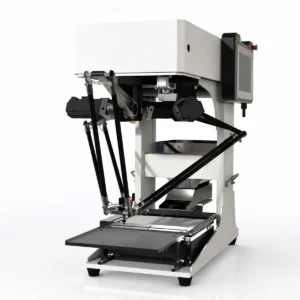
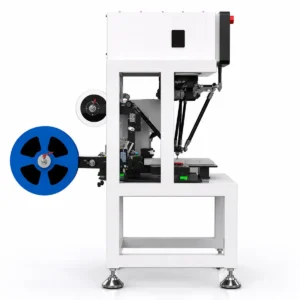
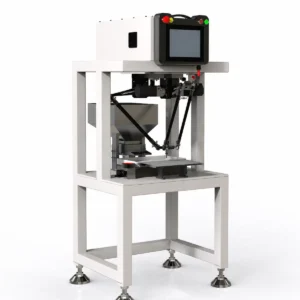
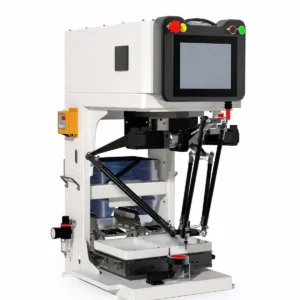
Modern automation lines often combine delta robots with flexible feeding systems to achieve better performance. Flexible feeders organize randomly placed components and deliver them to robots for accurate picking.
For example, SWOER Malaysia provides customized automation solutions that combine delta robots with intelligent feeding systems, helping manufacturers improve efficiency in electronics, food, pharmaceutical, and industrial applications.
Furthermore, integrated systems reduce engineering complexity because manufacturers can receive feeding, vision, and robotic solutions from one automation partner.
Why Choose Delta Robots for Modern Manufacturing?
Delta robots support manufacturers that require fast, accurate, and flexible automation. Their ability to handle high-speed operations makes them suitable for industries where productivity and precision directly affect competitiveness.
Additionally, customized delta robot solutions allow manufacturers to match robot systems with specific product sizes, production speeds, and factory requirements.
Therefore, businesses that want to upgrade production lines can consider delta robots as an effective automation option for improving efficiency and long-term manufacturing performance.
Conclusion
Delta robots are widely used for picking, placing, sorting, assembly, and packaging applications across many industries. Their high speed, excellent accuracy, and flexible integration capabilities make them valuable components in modern automated production lines.
As manufacturers continue adopting smart automation, delta robots will play a greater role in improving productivity, reducing manual work, and creating more efficient manufacturing systems.
FAQs
Delta robots are commonly used in electronics, food processing, pharmaceutical, automotive, packaging, and consumer goods industries.
Delta robots use a lightweight parallel structure that reduces moving mass, allowing faster acceleration and high-speed operation.
Yes. Delta robots can integrate with vision systems to identify product positions and perform accurate picking and inspection tasks.
Yes. Manufacturers can customize delta robot systems according to product size, production speed, feeding methods, and application requirements.
Yes. SWOER Malaysia provides customized automation solutions combining delta robots, flexible feeding systems, and vision technologies for different industries.
