
Introduction
In modern manufacturing and assembly lines, efficiency and precision are paramount. One device that plays a crucial role in streamlining production is the vibratory bowl. Often overlooked by those outside the industrial world, this device ensures parts are properly oriented, sorted, and fed into automated systems. But what exactly is the purpose of a vibratory bowl, and why is it essential in industries today? Let’s dive in.
Vibratory Bowl Ensuring Continuous Part Feeding
The primary purpose of a vibratory bowl is to provide a continuous flow of parts to production lines. By keeping components moving in a controlled manner, these feeders prevent bottlenecks and ensure that assembly machines or robotic systems operate without interruption. This continuous feeding is vital for high-volume production, where downtime can lead to significant losses
Vibratory Bowl for Accurate Part Orientation
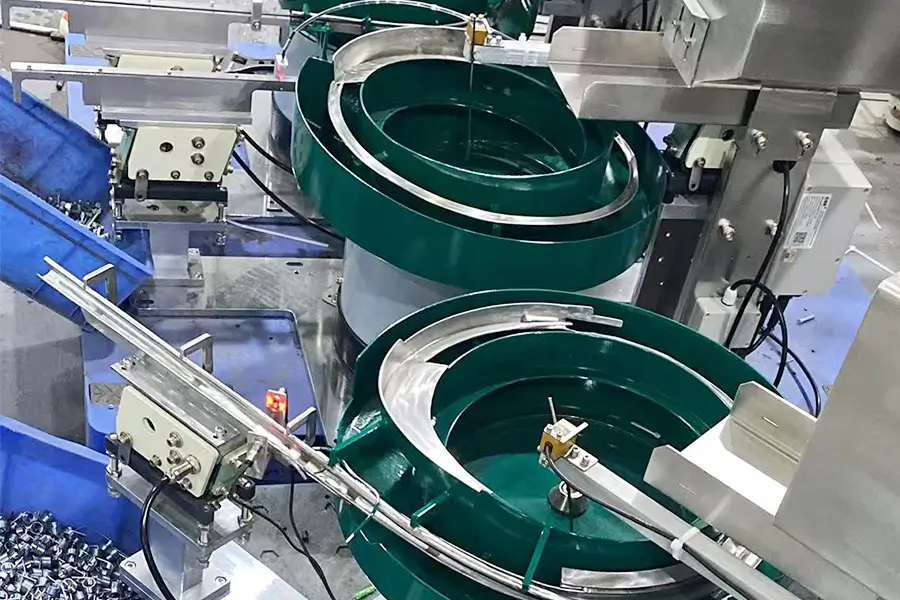
Vibratory bowls are designed not only to move parts but also to orient them correctly. Parts need to be positioned in a specific way to ensure they fit into the next stage of the assembly process. The bowl’s vibrating motion, combined with specially designed tracks and guides, aligns parts automatically, reducing human error and enhancing production quality.
Vibratory Bowl Ensures Springs Are Aligned.
Handling a Variety of Part Sizes and Shapes
Modern manufacturing often deals with components of different sizes and shapes. Vibratory bowls are versatile and can be customized to handle diverse parts, whether they are tiny screws, electronic components, or plastic caps. This adaptability makes them a preferred choice for industries ranging from automotive to electronics.
Vibratory Bowl Reducing Manual Labor
Before automation, workers manually sorted and fed parts into production machines, a process that was repetitive and time-consuming. Vibratory bowls automate this task, freeing human workers to focus on higher-value activities. This not only reduces labor costs but also improves workplace safety by limiting repetitive motion injuries.
Vibratory Bowl Improving Production Speed and Efficiency
By maintaining a steady flow of correctly oriented parts, vibratory bowls significantly increase production speed. Automated assembly systems can operate at optimal rates without waiting for manual intervention. This efficiency translates into higher throughput and faster turnaround times for manufacturers.
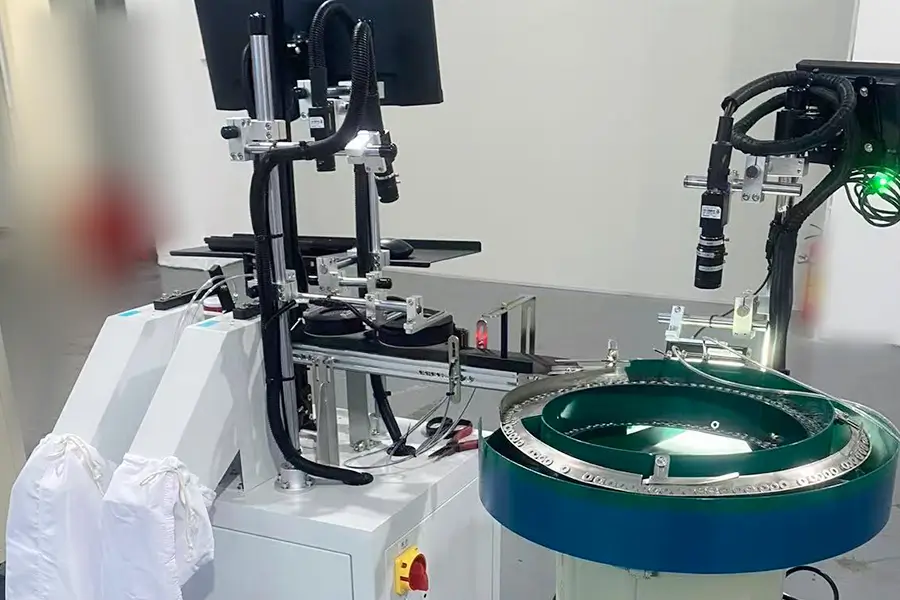
Enhancing Quality Control
Some vibratory bowls can be integrated with inspection systems to check parts for defects before they reach the assembly line. By ensuring only correctly oriented and defect-free components move forward, these systems help maintain high product quality, reducing waste and minimizing the risk of faulty products reaching customers.
Conclusion
The vibratory bowl is more than just a part-feeding device; it is a cornerstone of modern automated manufacturing. From ensuring continuous feeding and accurate part orientation to reducing labor costs and enhancing production efficiency, its role is indispensable. Industries that rely on precise and fast assembly processes benefit greatly from this simple yet powerful technology.
FAQs
Q1: What industries commonly use vibratory bowls?
A1: Vibratory bowls are used in automotive, electronics, medical device manufacturing, packaging, and consumer goods industries.
Q2: Can vibratory bowls handle fragile parts?
A2: Yes, they can be customized with softer tracks and controlled vibration settings to handle delicate components safely.
Q3: How are parts oriented in a vibratory bowl?
A3: Parts travel along a spiraling track where guides, obstacles, and vibration angles align them in the desired orientation.
Q4: Are vibratory bowls suitable for small-scale production?
A4: While they excel in high-volume production, smaller vibratory bowls are available for low-volume or specialized operations.
Q5: Do vibratory bowls require frequent maintenance?
A5: Maintenance is generally minimal but involves checking for wear, cleaning tracks, and ensuring the vibration motor functions correctly.
